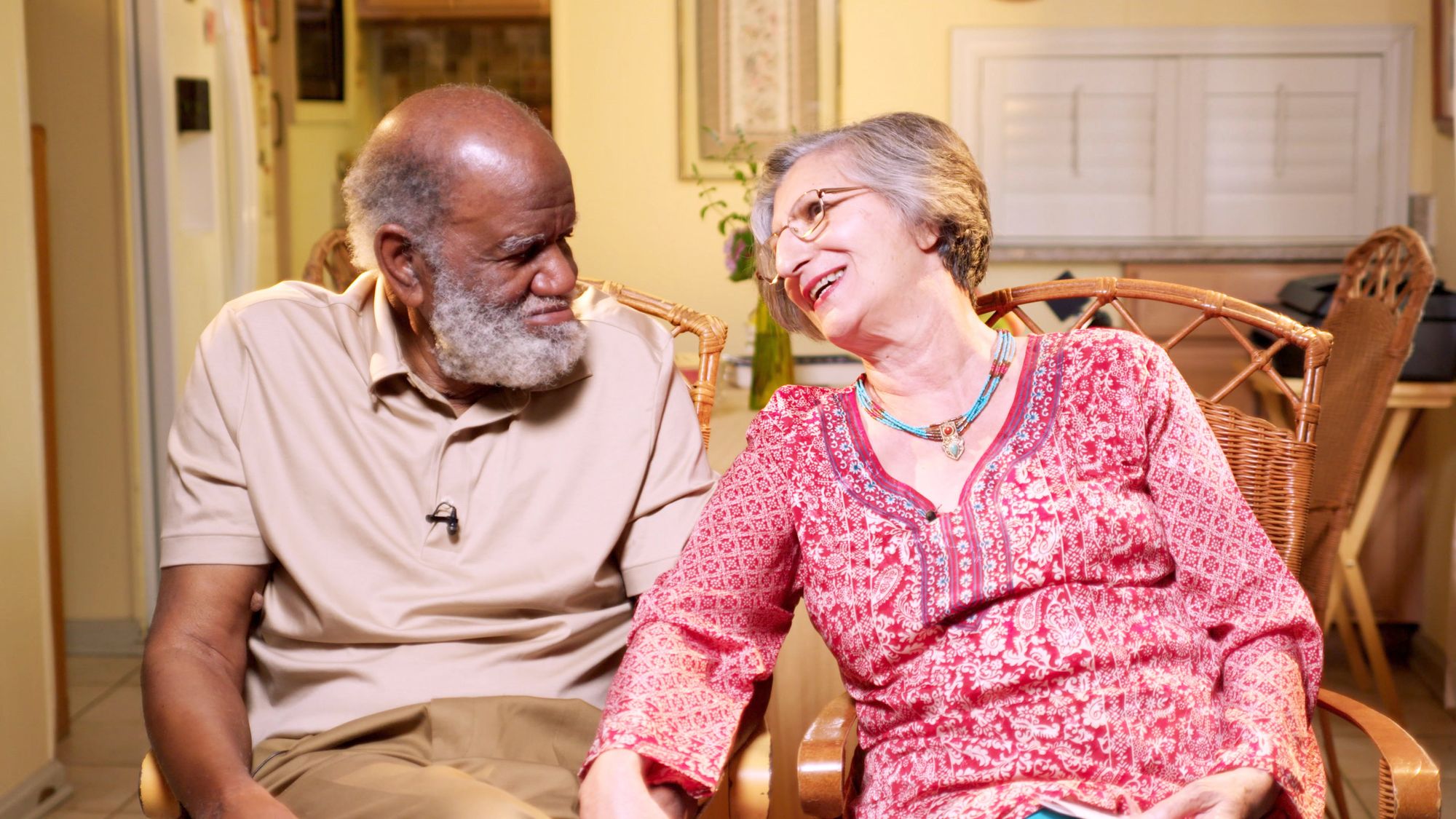
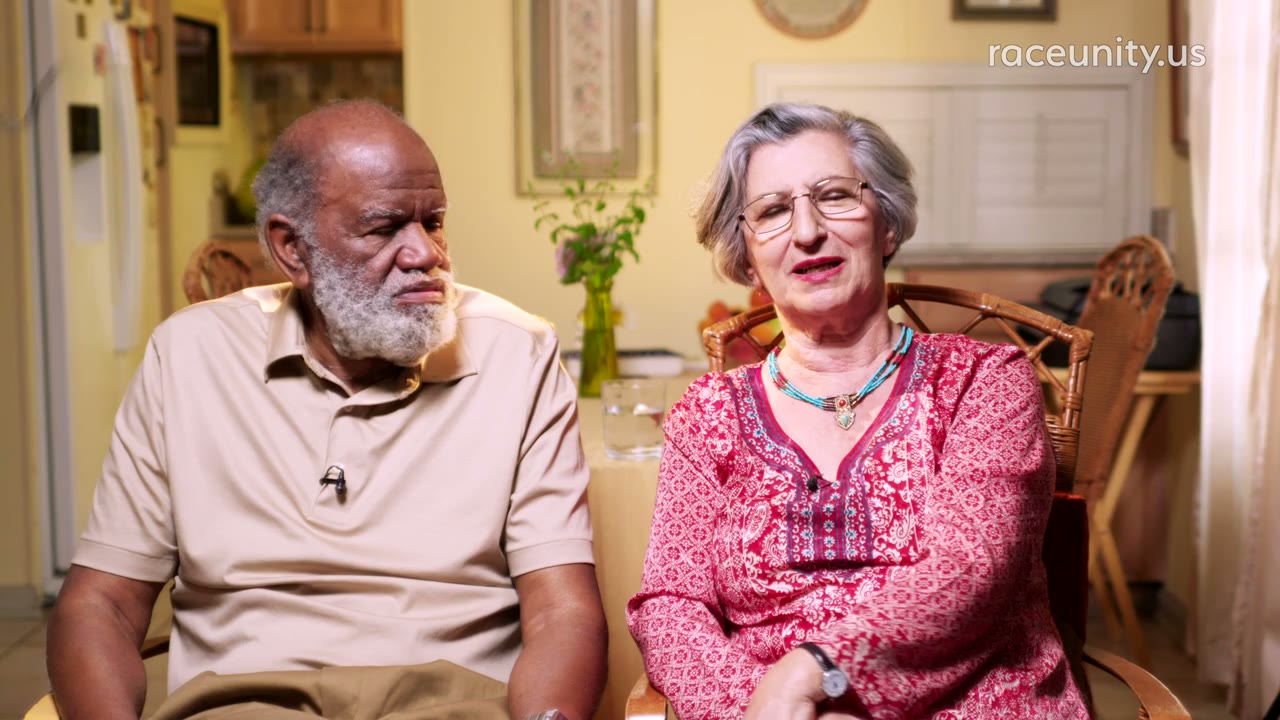
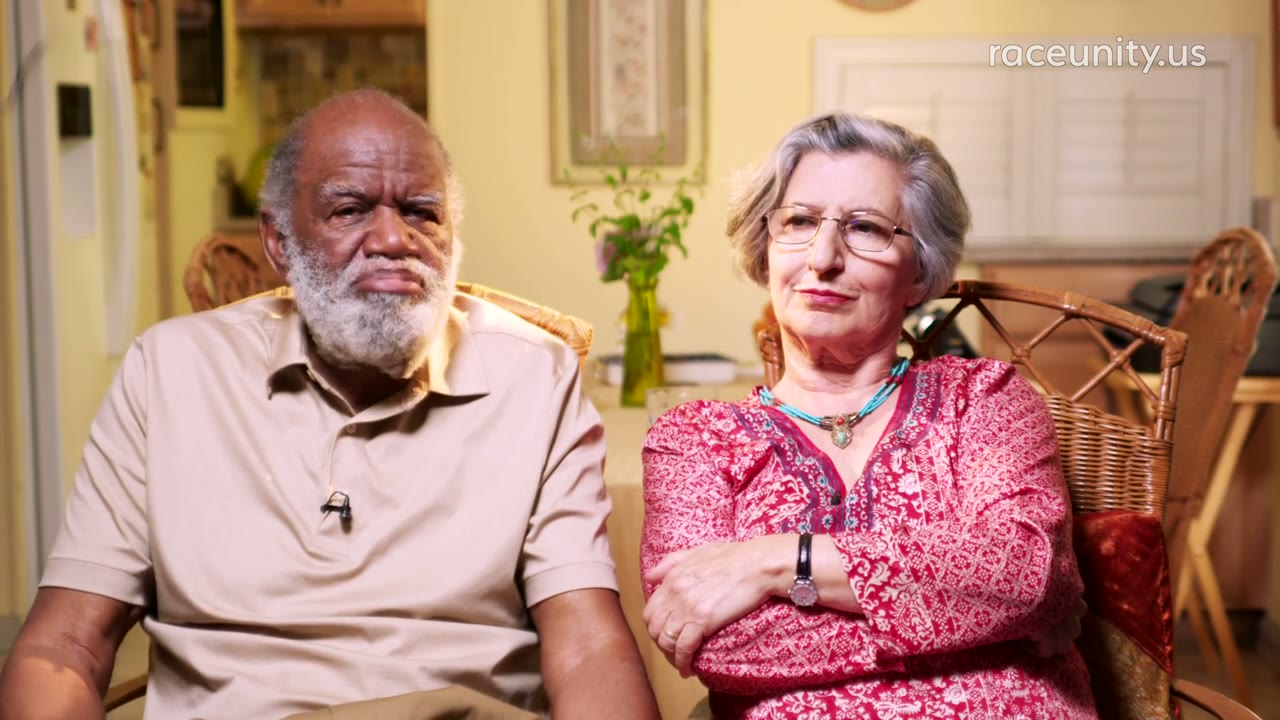
Arbury Jack Guillebeaux, born in North Carolina in 1936, and Farzaneh Rabani, born in Iran in 1942, were married in 1965. Farzaneh was born into a Baha’i family – Jack became a Baha’i as a young man. Segregation was still in force and in North Carolina marriage for an interracial couple was illegal. But their long life together became an emblem of their shared goal to promote race unity in America.
1.Born in Tehran, Born in North Carolina
My father’s brothers hired someone to kill him when he became a Baha’i.
2.Discovering prejudice at a young age
They burned a cross within a block of our house when I was five or six years old.
3.Deciding it’s good to be black
I thought I would try out hating white folk. And that felt like a lot of work.
4.The liberation of meeting the Baha’is
The separation was entrenched and it was violent.
5.Unready to say yes – unwilling to say no
There was something special about her and I told one of my friends that I'm going to marry that one.
6.Life as an interracial couple in 1960s North Carolina
The worst thing that could happen is for Fafar or I to show fear.
7.Dreaming of the future
The news of our marriage was like a bomb in Tehran because it was just so rare.
8.Looking for a legal way to marry
Many of the townspeople showed up at our wedding reception to see if it was really going to happen
9.Laughing at the insanity of racism
We have constructed a society that pretends to believe there is a religious, moral, social and ethical foundation to racism.
10.Changing hearts through grocery shopping
We were looking for somewhere to live and I told landlords, I’m white, my husband is African-American, is that a problem? They would bang down the phone.
11.The challenge of learning unity in diversity
Learning about unity in diversity is a challenge, not just for America, but for the Baha’i community as well.