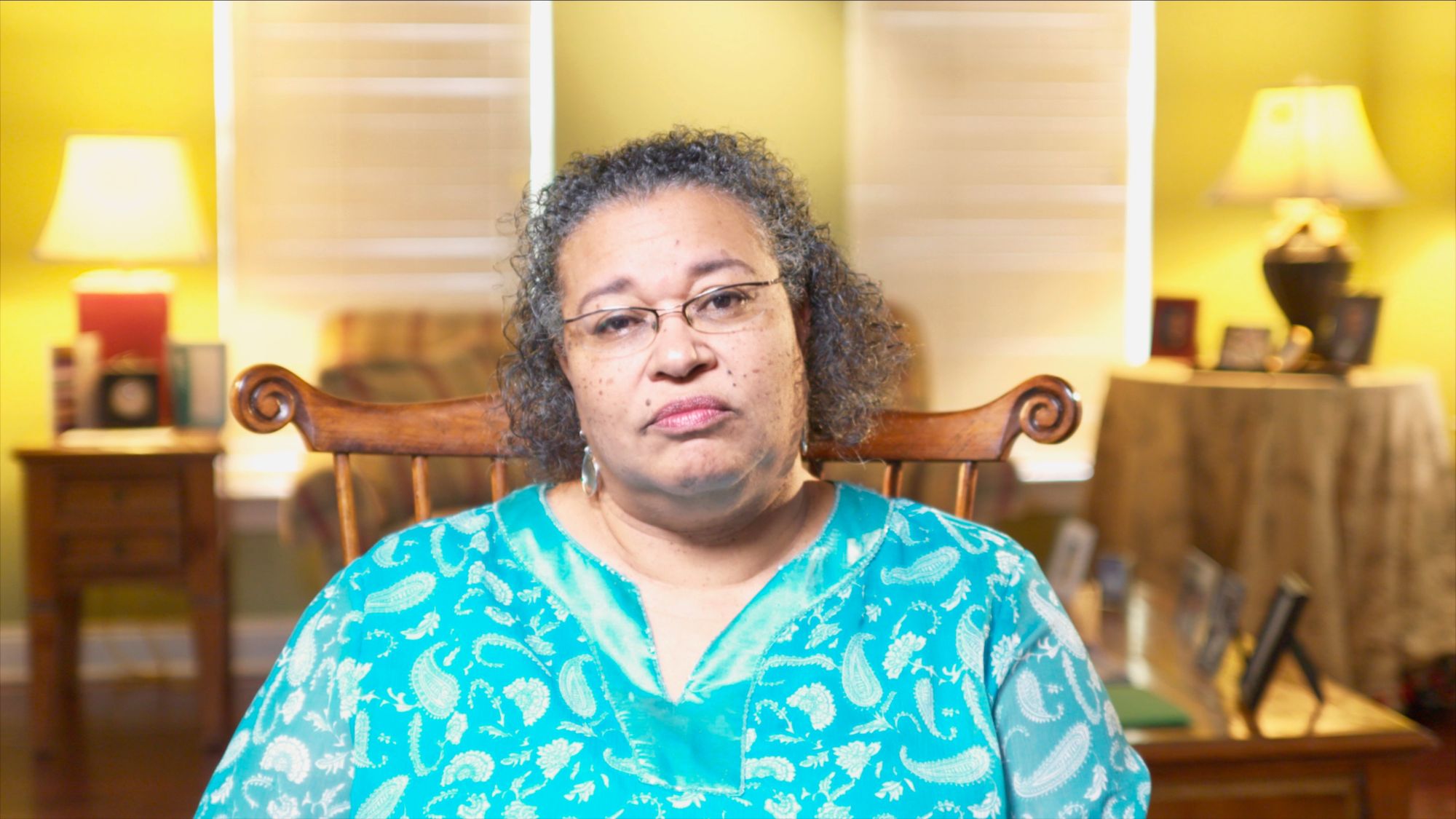
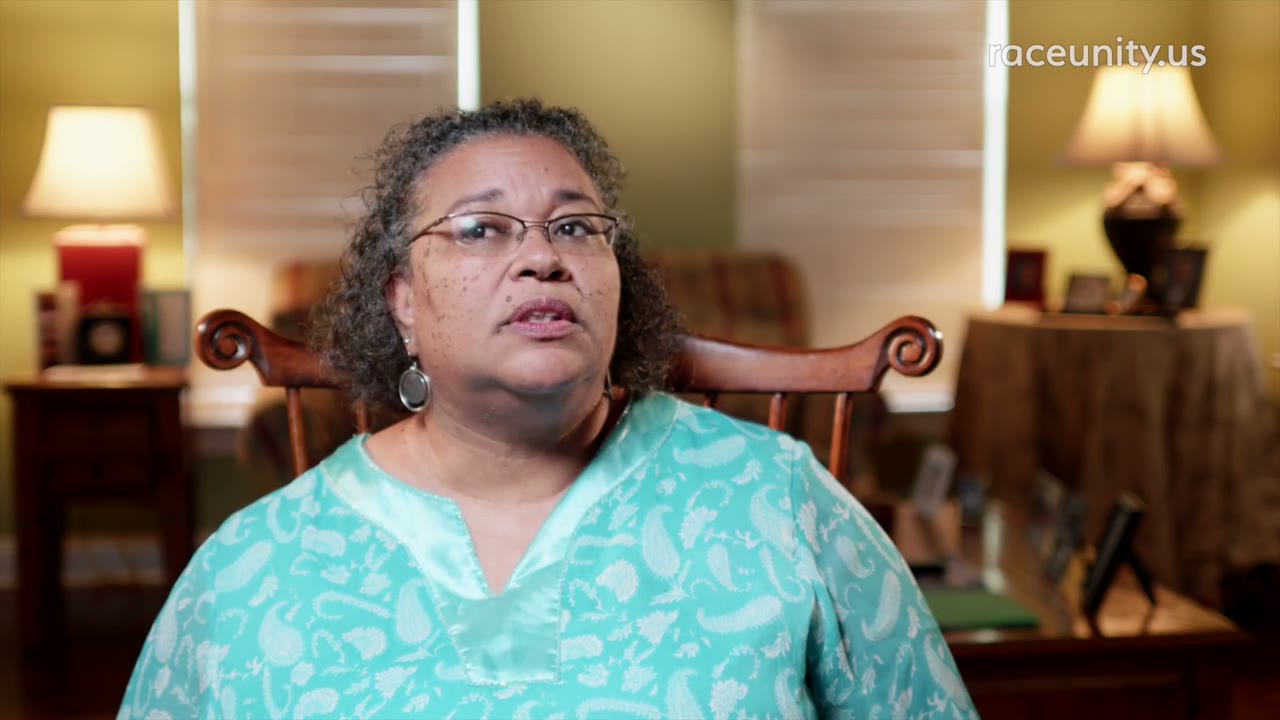
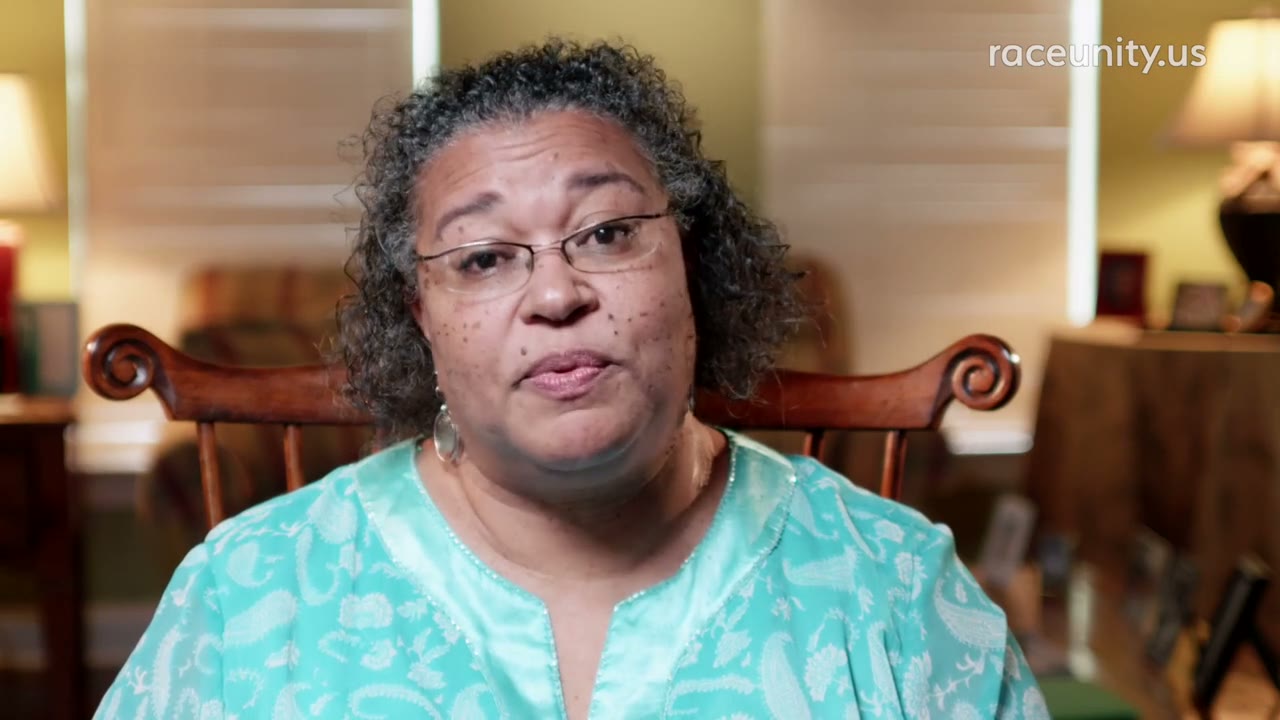
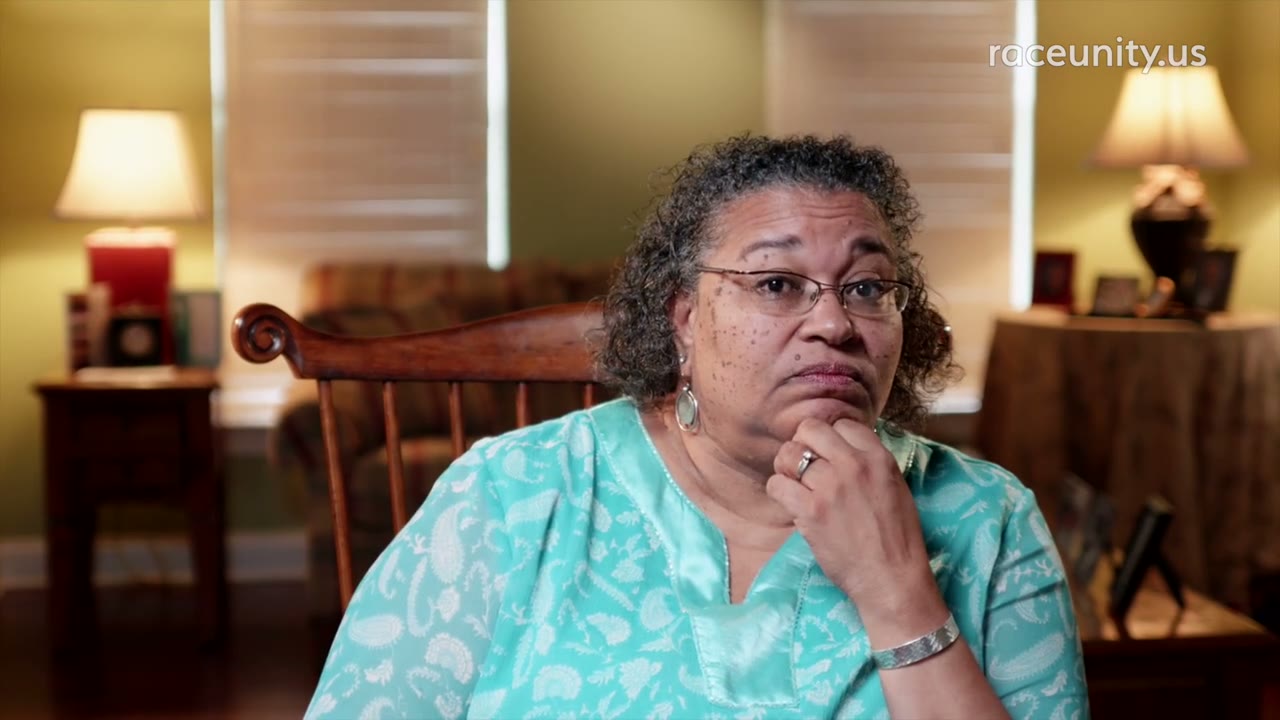
Karen Streets Anderson was born in 1960, on a US Army base in Dugway, UT, though her family moved to the Midwest when she was still a child. Karen is a third-generation Baha'i. Her paternal grandparents were African-Americans, but could have "passed" as white; their choice to identify as African-Americans shaped Karen's own life as an African-American woman. Karen's mother grew up in Flint, MI, and was the first to attend college in her family. Today she lives in Nashville, TN, where she is active in race unity work and the Baha'i community.
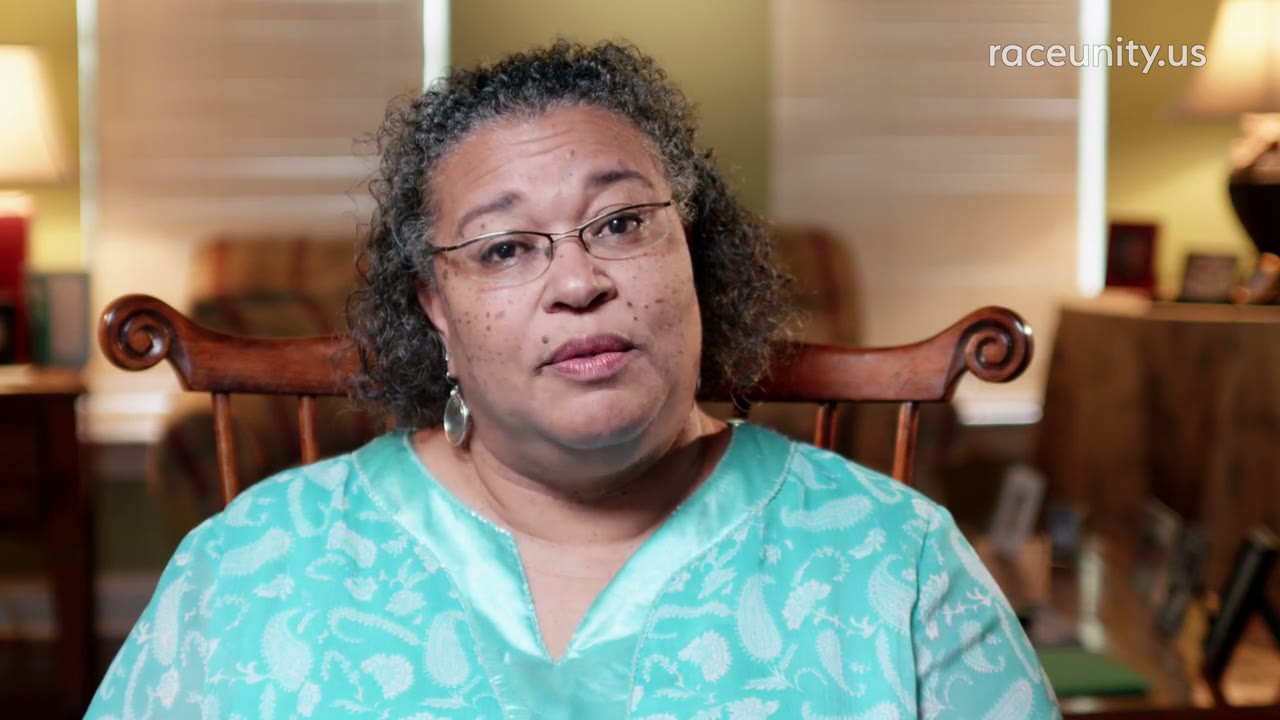
1.A choice for the ages
My grandparents could have passed for white – but they were proud of being African-Americans and were active in Civil Rights.
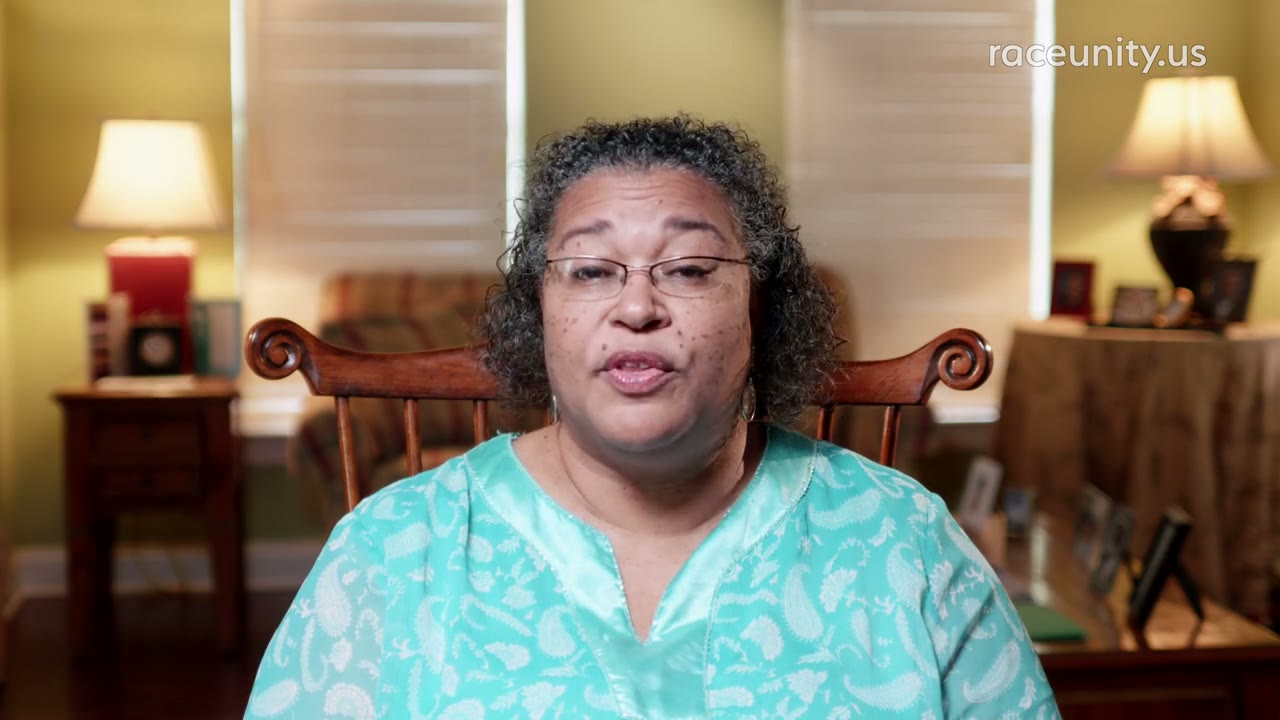
2.Committed to the truth
My fourth-grade teacher referred to First Nations people as “savages” – my mother then told him to get his facts straight.
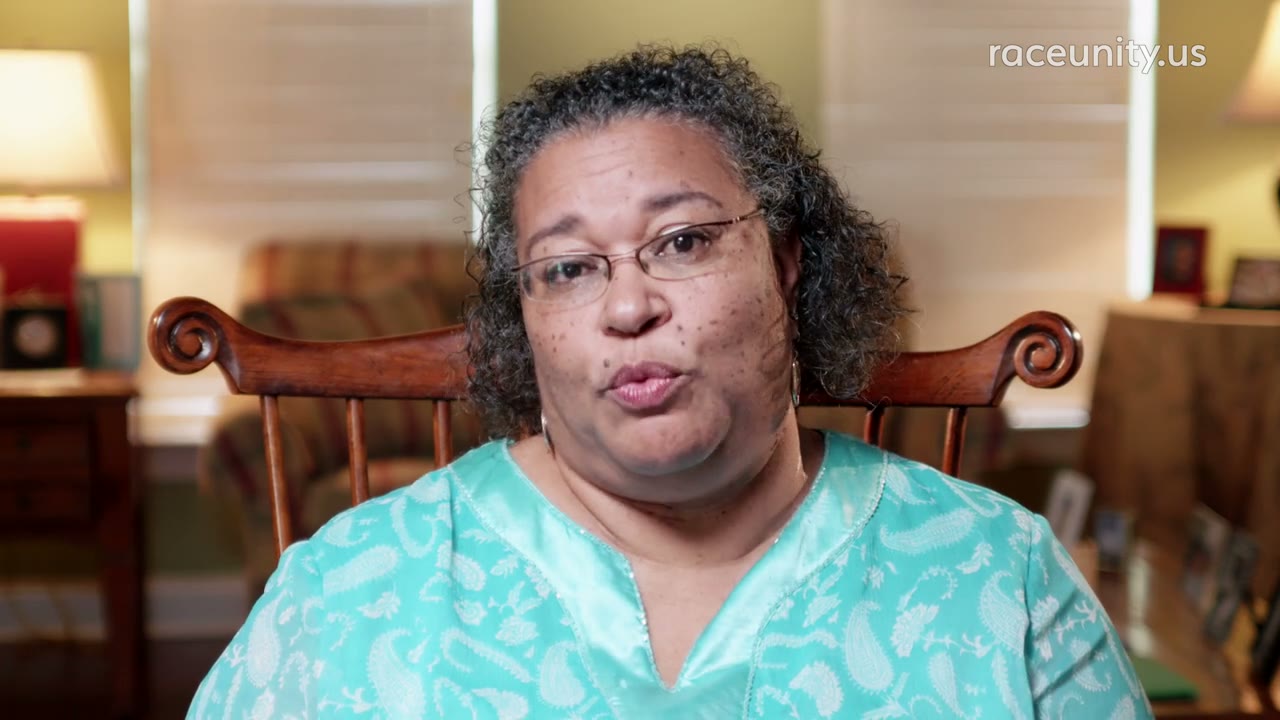
3.Finding hope in a hopeless time
Growing up in a Baha’i family in the 1960s gave me hope – otherwise I wouldn’t believe there could be justice for people of color.
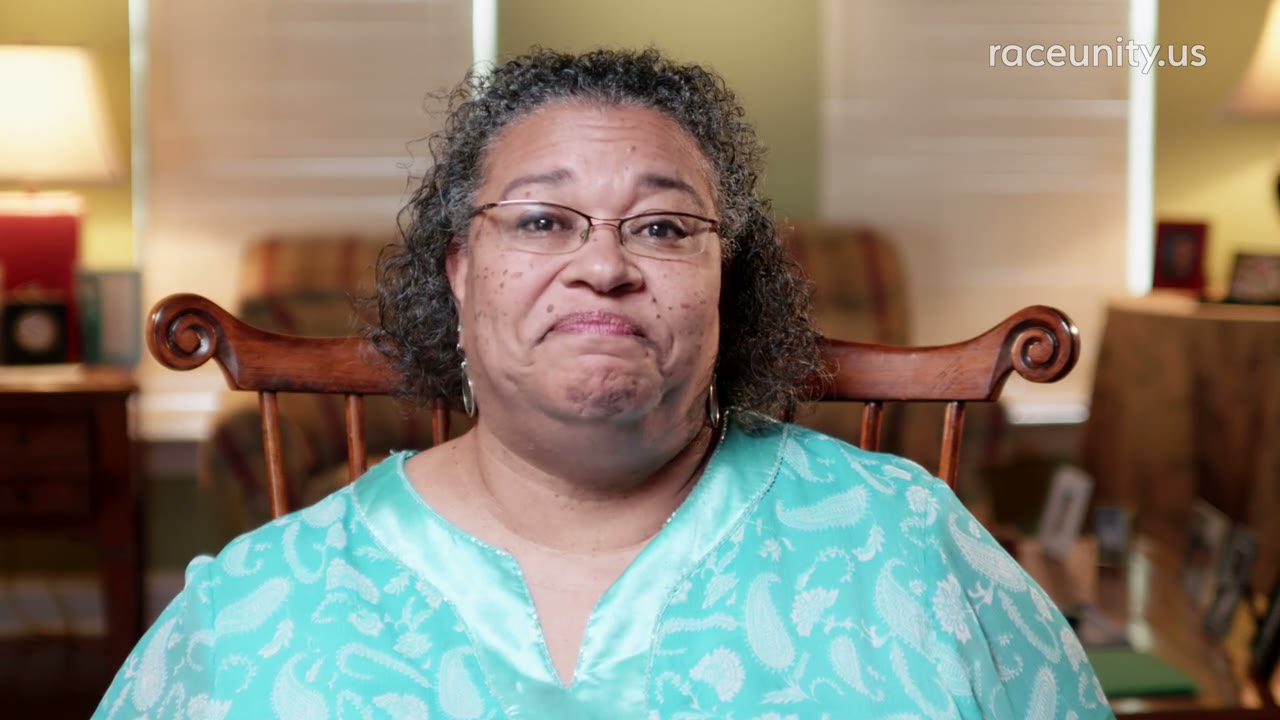
4.What people think black people do
I was an intellectual – my school didn't know how to handle somebody who wasn’t stereotypically black.
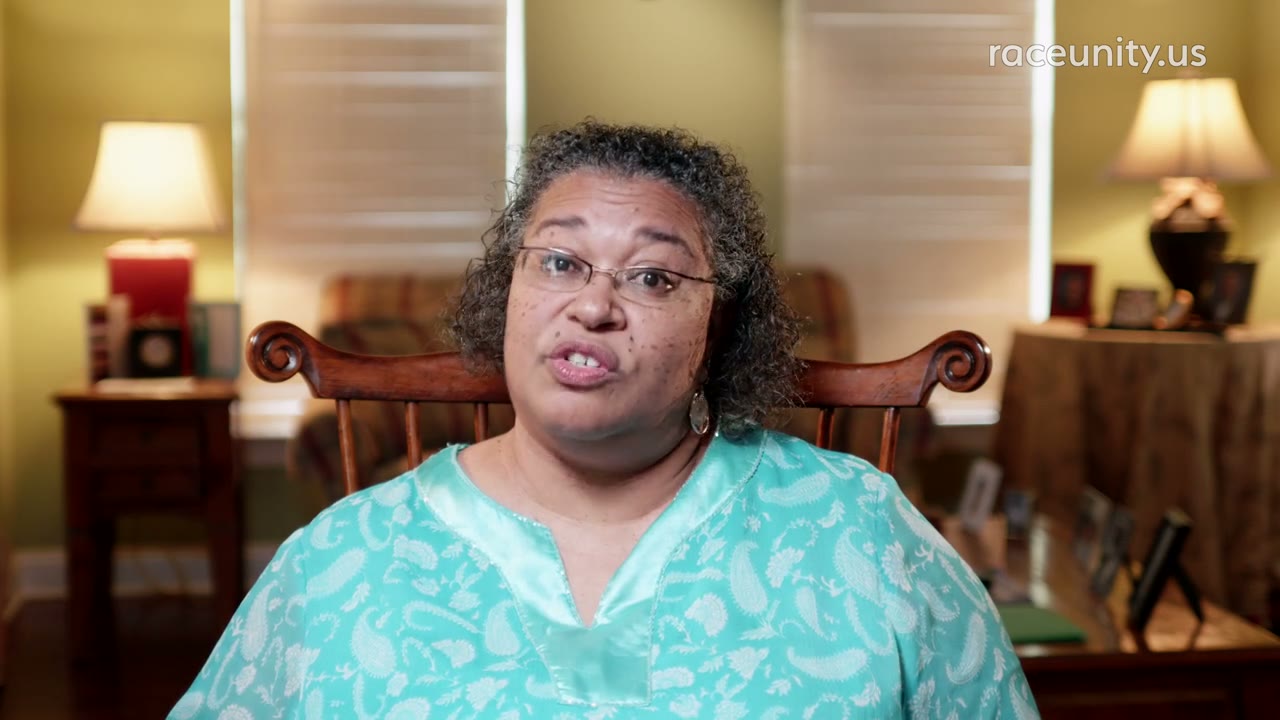
5.Trading in white privilege
The border official couldn’t believe my white fiancee and I were getting married. We had to show him the wedding dress.
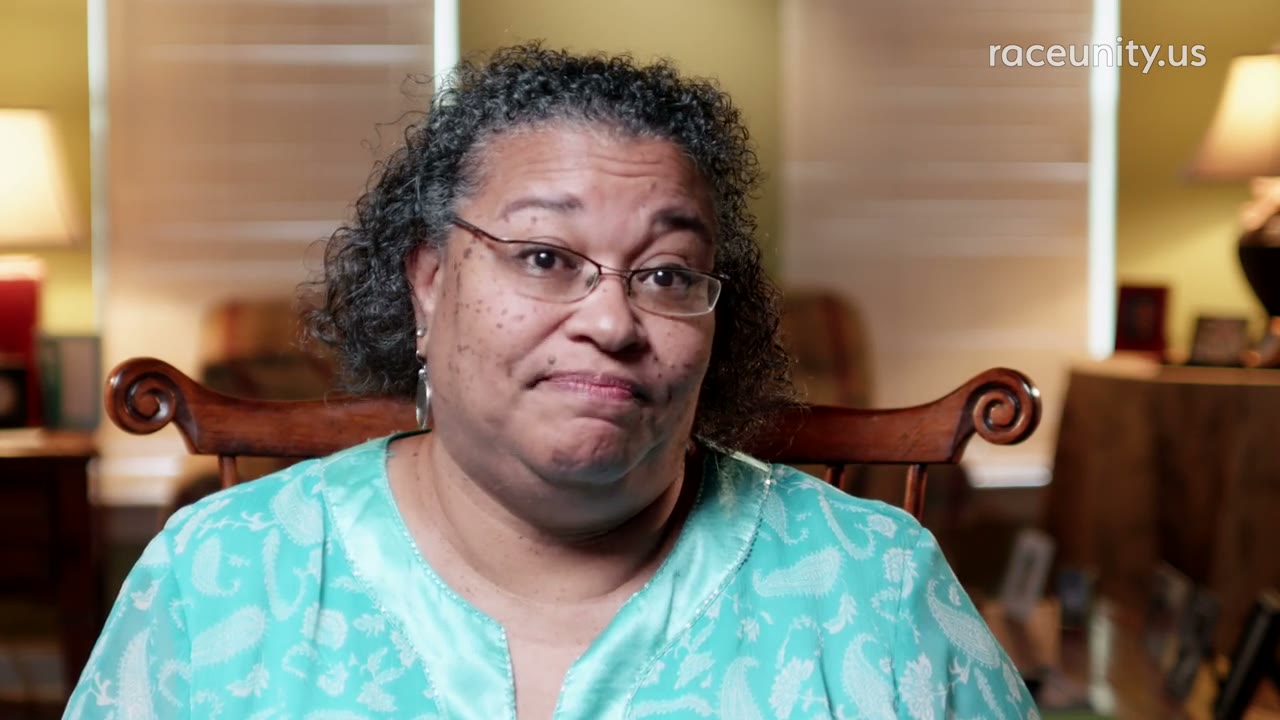
6.Moving to the South
Living in Tallahassee was one of my most difficult experiences – I had never experienced racism in that way.
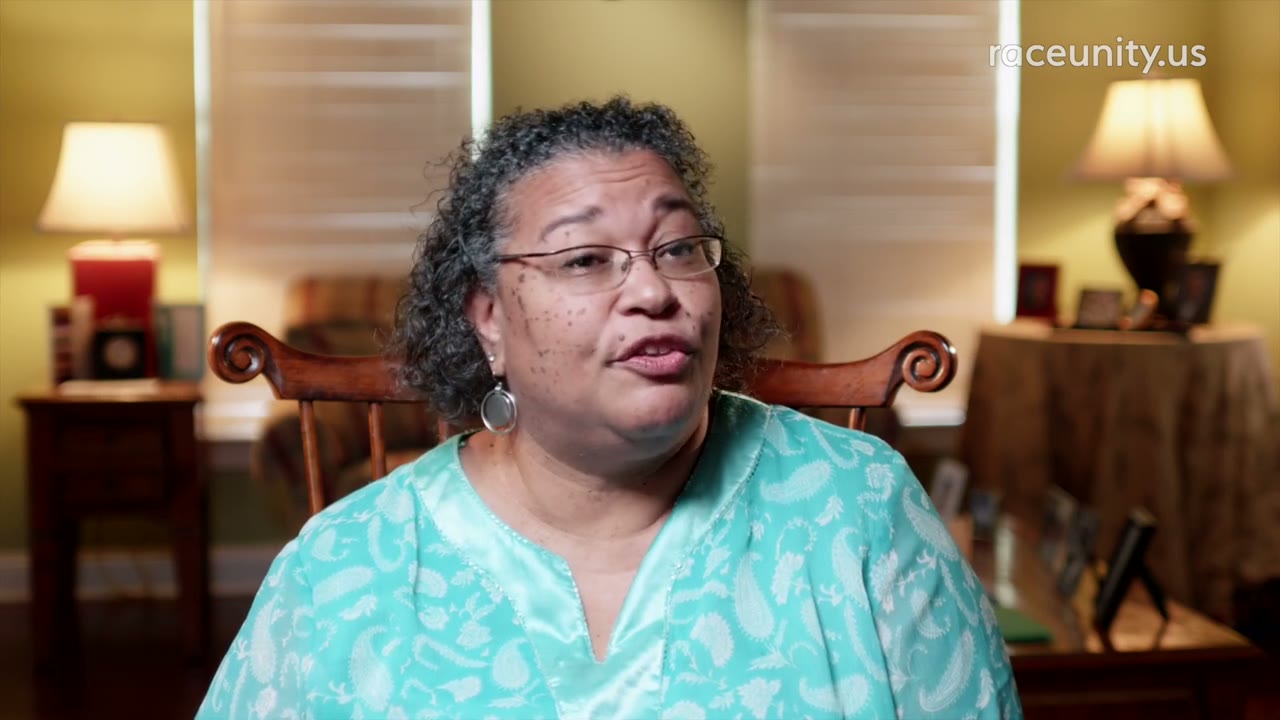
7.Living the integrated life
The Baha’i community in Nashville was a third black, a third white and a third Iranian. I thought I’d died and gone to heaven.
8.How Baha’i institutions can address race
A high number of African-Americans get elected to our Local Spiritual Assembly – and the majority of voters are Iranians.
9.Being the change
We saw that more of our African-American brothers and sisters engaged as we educated ourselves about race in America.
10.Mothers of black sons
You have to be a warrior to raise black children in America today.