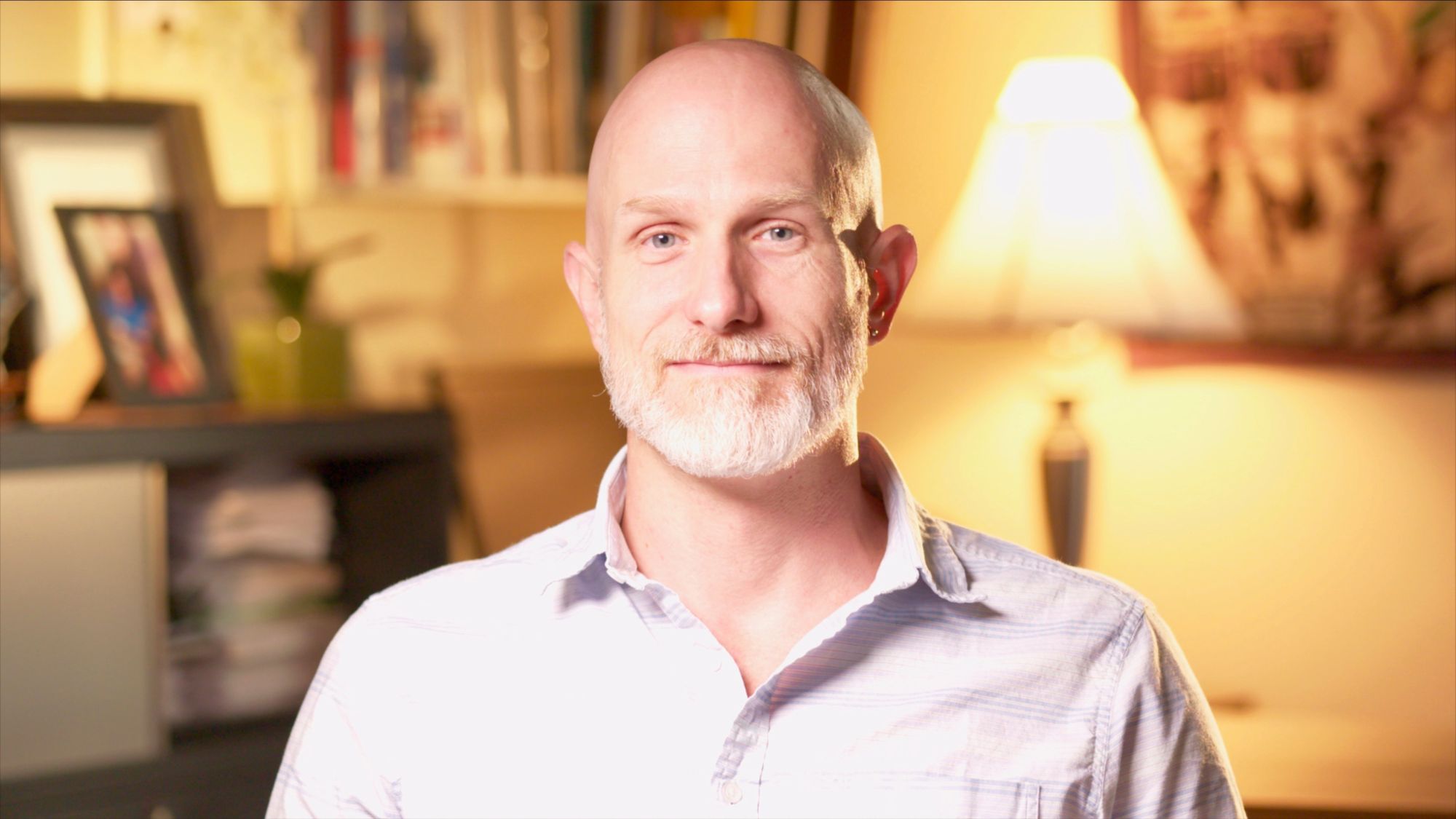
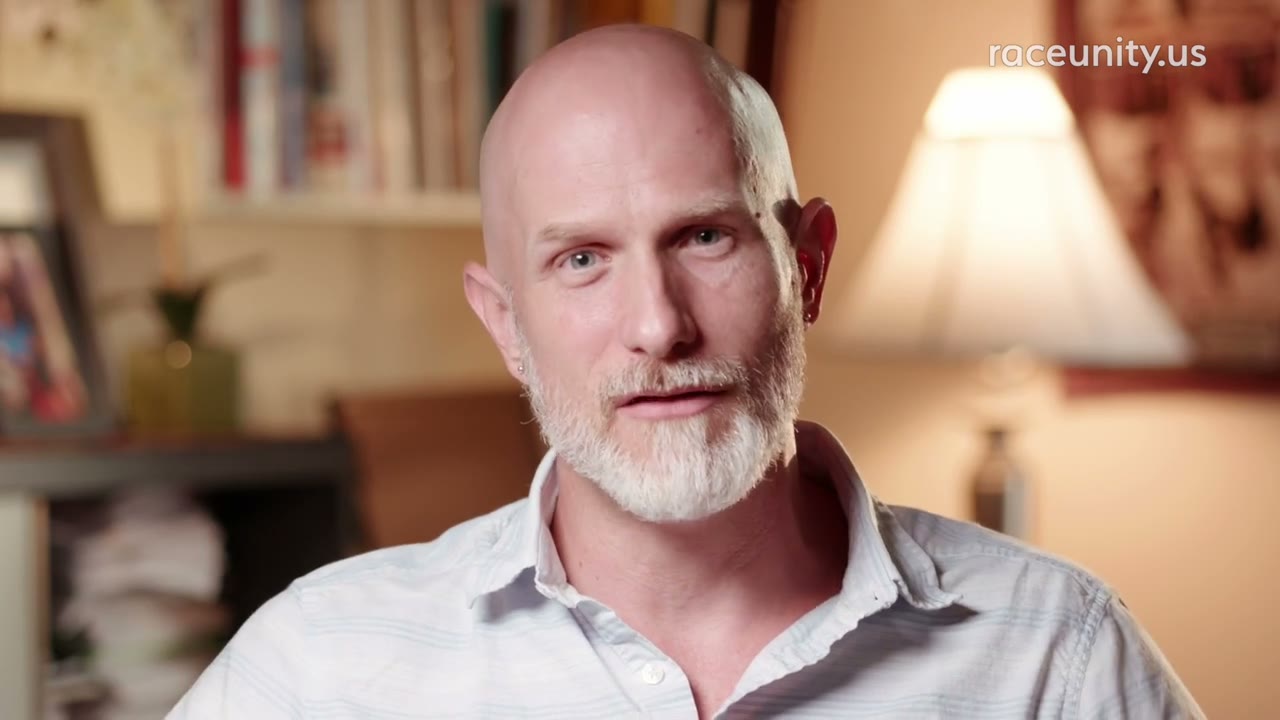
A historian and historic preservationist, with a particular interest in race, religion, and social change in the United States, Louis Venters was born and educated in eastern South Carolina. He is now an associate professor at Francis Marion University and author of No Jim Crow Church: The Origins of South Carolina's Baha'i Community and A History of the Baha'i Faith in South Carolina.
1.Growing up at a golden moment
Desegregation of school districts was remarkably successfully – especially in the South.
2.A mother’s eyes on the prize
My first black teacher was in second-grade – and both my grandmothers tried to get me transferred out of that class. My mother told them to go to hell.
3.A brilliant stroke of parenting
The Baha’is in my town collaborated on Martin Luther King Day, they put on a Black History Month program. They were impressive.
4.‘Praise the Lord, here you are’
It felt like Pentecost, when the disciples went out and they began to preach the word of Jesus after his crucifixion.
5.An act of God
Black people in the South never forgot the promise of Reconstruction. The Baha’i Faith arrived in the US just as it was being stamped out.
6.The sad story of Alonzo Twine
South Carolina’s hospital for the insane was the kind of place where, if you weren’t insane already, it would do you in.
7.The hard face of Jim Crow
Segregation removed African-Americans from political power and kept them at the bottom of society.
8.Abdu’l-Baha and Louis Gregory
Louis Gregory, an African-American lawyer, tried to slip out the back door as a gathering of white guests arrived to see Abdu’l-Baha.
9.A handful, a roomful and then a great gathering
In the 1920s and later, had black Southerners been given the chance they would have responded to the Baha’i Faith in large numbers.
10.Leaving the comfort zone
The size of the American Baha'i community grew faster than anybody could predict.
11.Living through the century of light
The 1960s and 1970s were the richest period that the Baha'i world community has ever experienced.
12.The most distinctive aspect of Persian culture
Iranians fleeing trauma in their own country came to the US unprepared for the nuances of the racial situation.