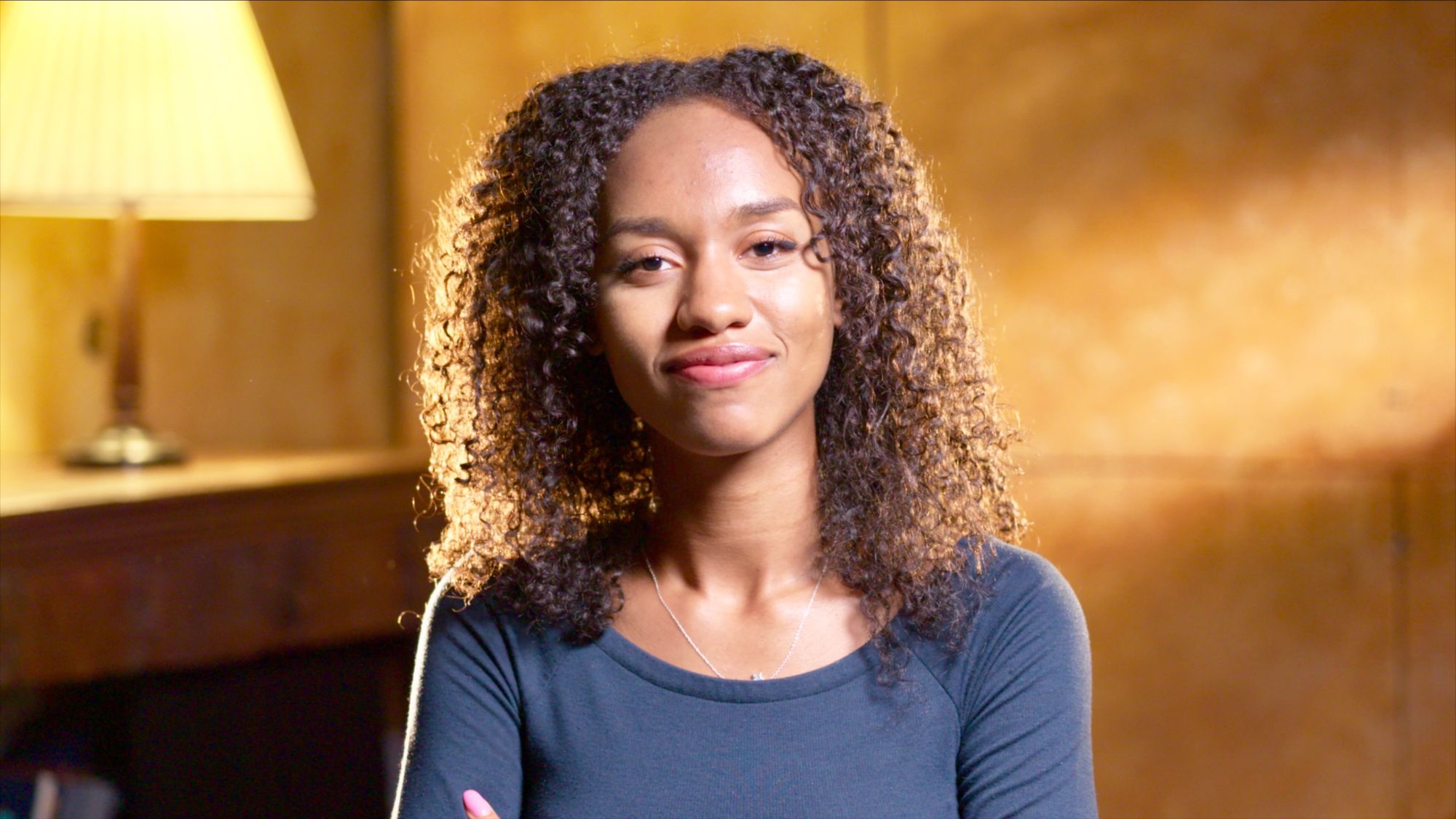
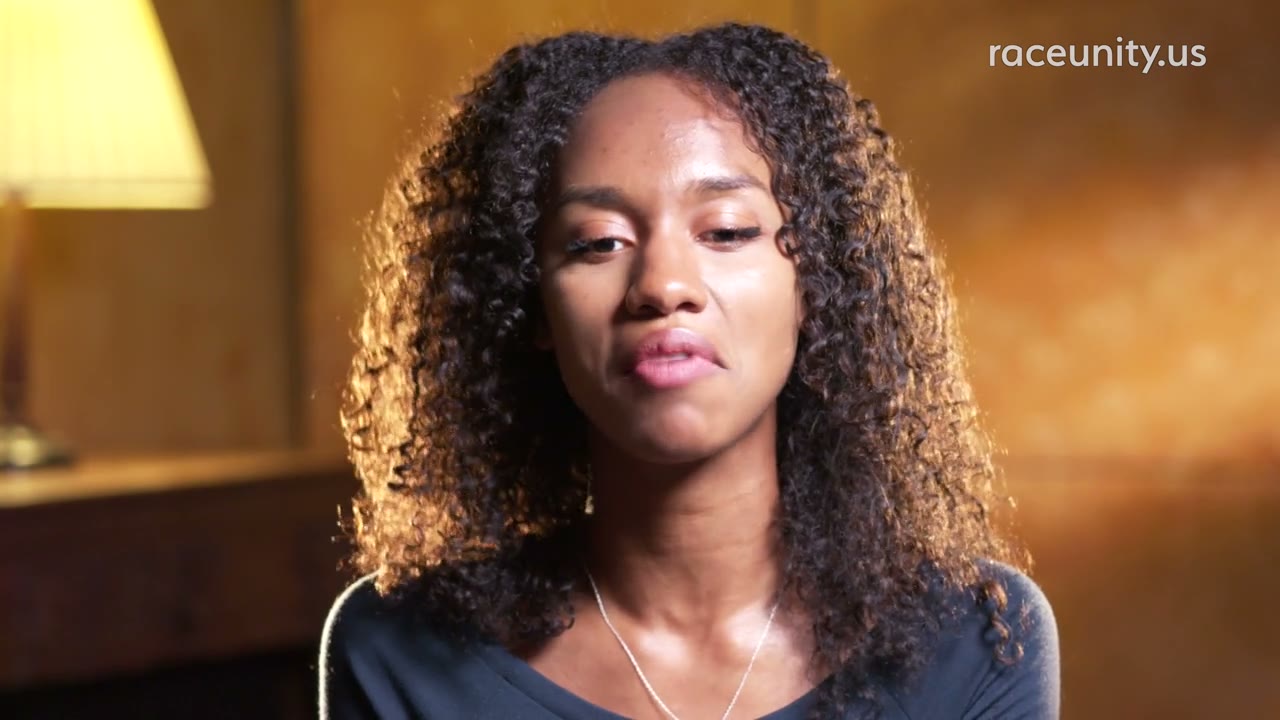
Makeena Rivers was born in St. Paul, MN, and today lives in New York City. She recently graduated from Columbia University's School of Social Work, where she focused on race, incarceration, education, and class. Makeena previously studied psychology and sociology at Emory University in Georgia. She is currently involved in community activities that use creativity for justice and healing.
1.Super minority
My school was whittling our classes down to math, reading and gym – so my mom switched me to a rich white school.
2.Feeling like an outsider
I just wanted a sense of belonging – so I thought I’d become a Christian. But then I went to Baha’i youth groups.
3.Believing in race unity demands work
Today’s world influences our thinking in terms of race and class – even if we already believe in unity in diversity.
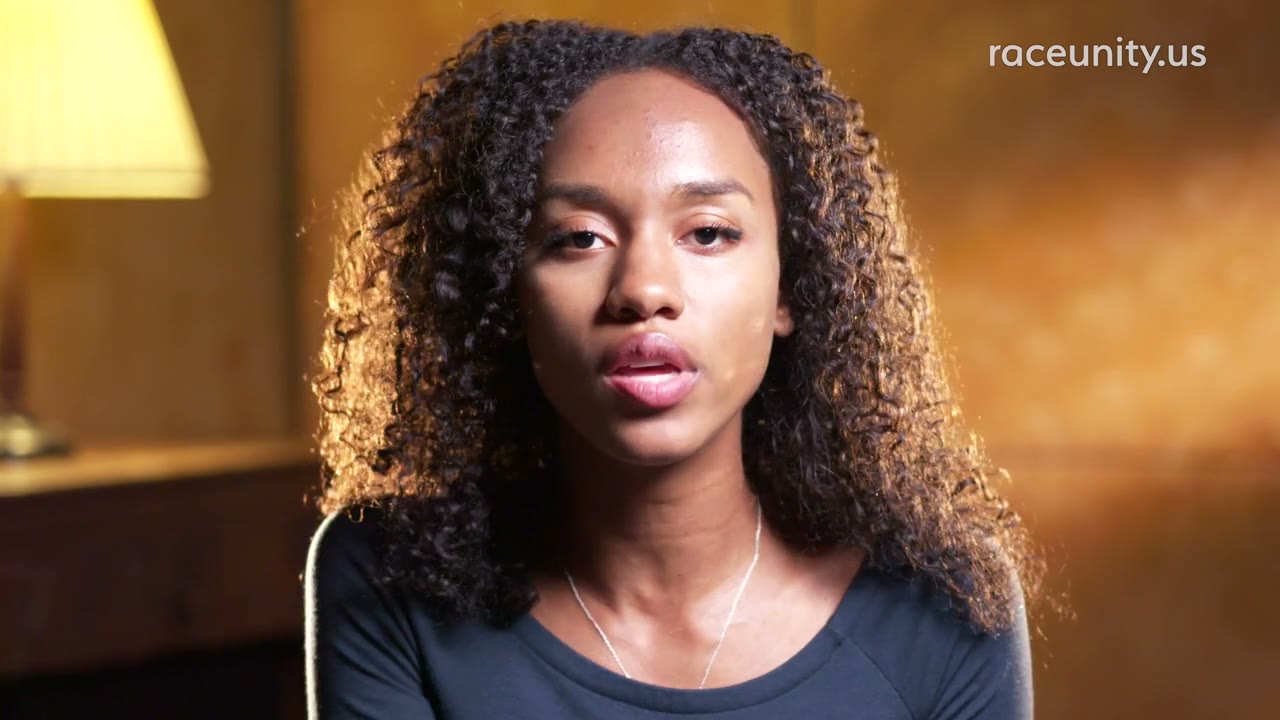
4.Standing up for the wellbeing of all
Baha’is are supposed to be champions of justice – to stand up for humanitarian issues.
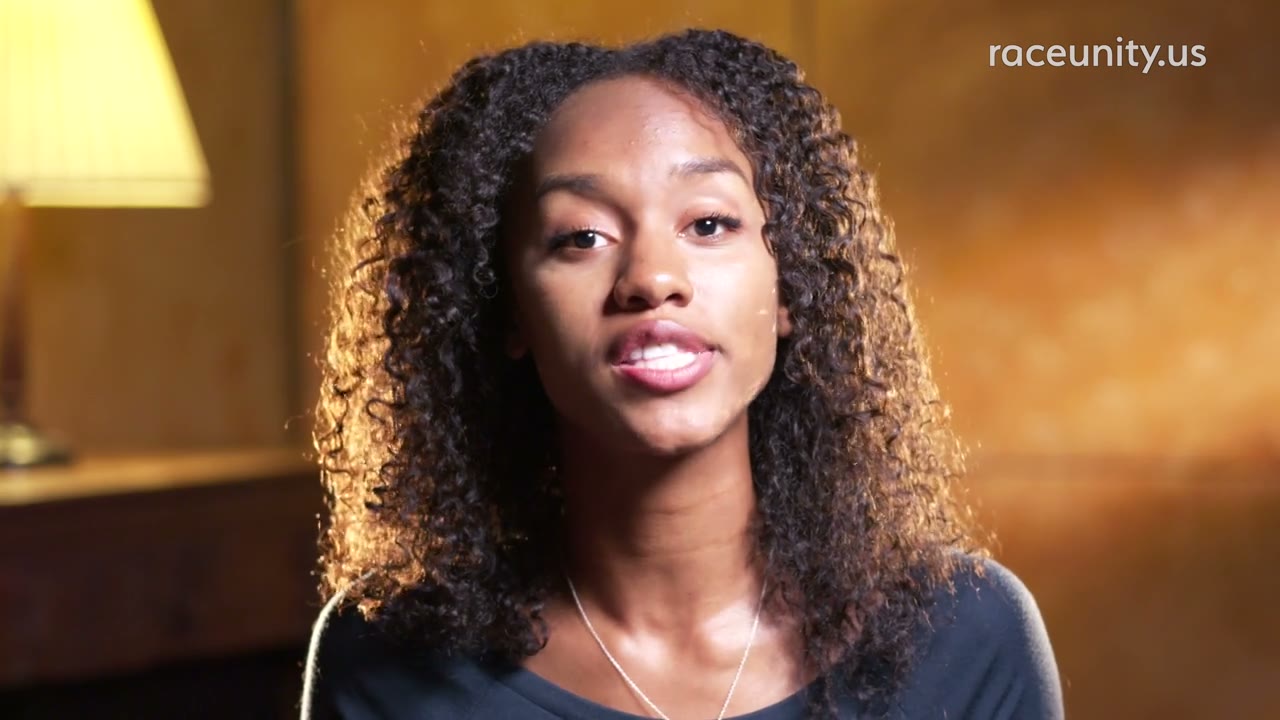
5.A devotional culture
African-Americans know how to come together to pray – they can offer this to Baha’i communities.
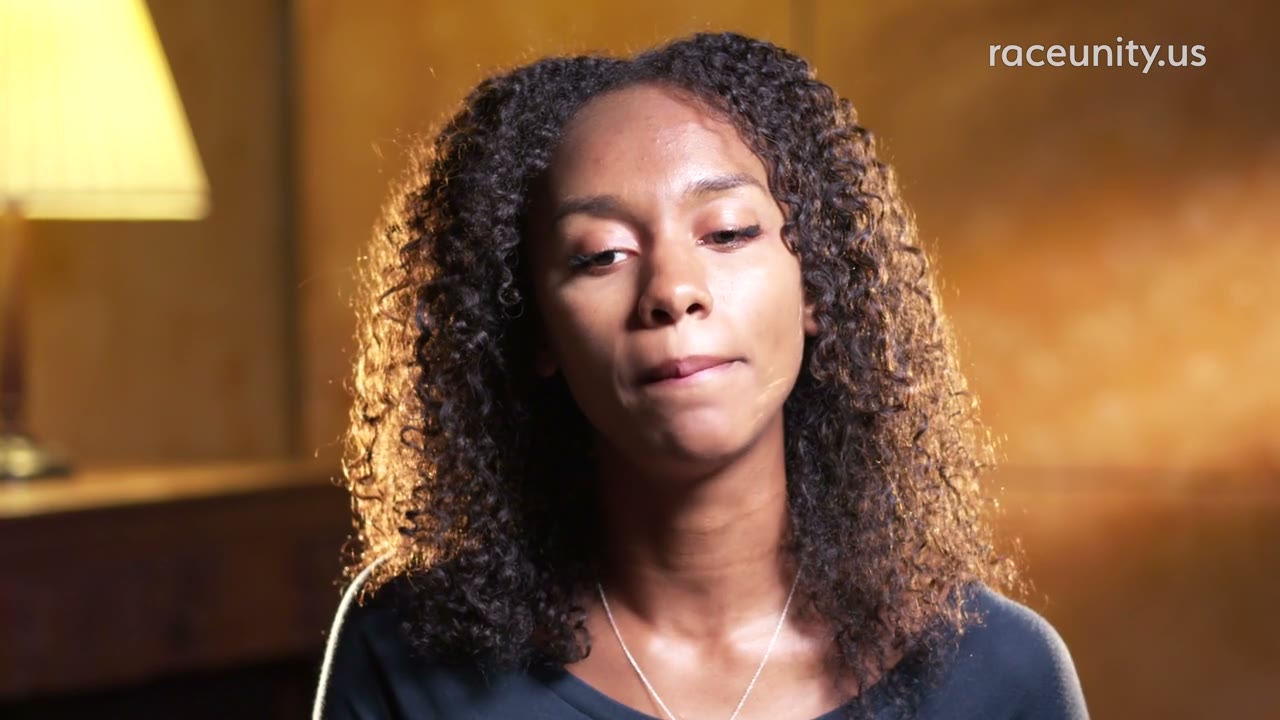
6.Incarceration, race & class as a career
Labelling young people as irredeemable doesn’t help them to come out of prison and to contribute to society.
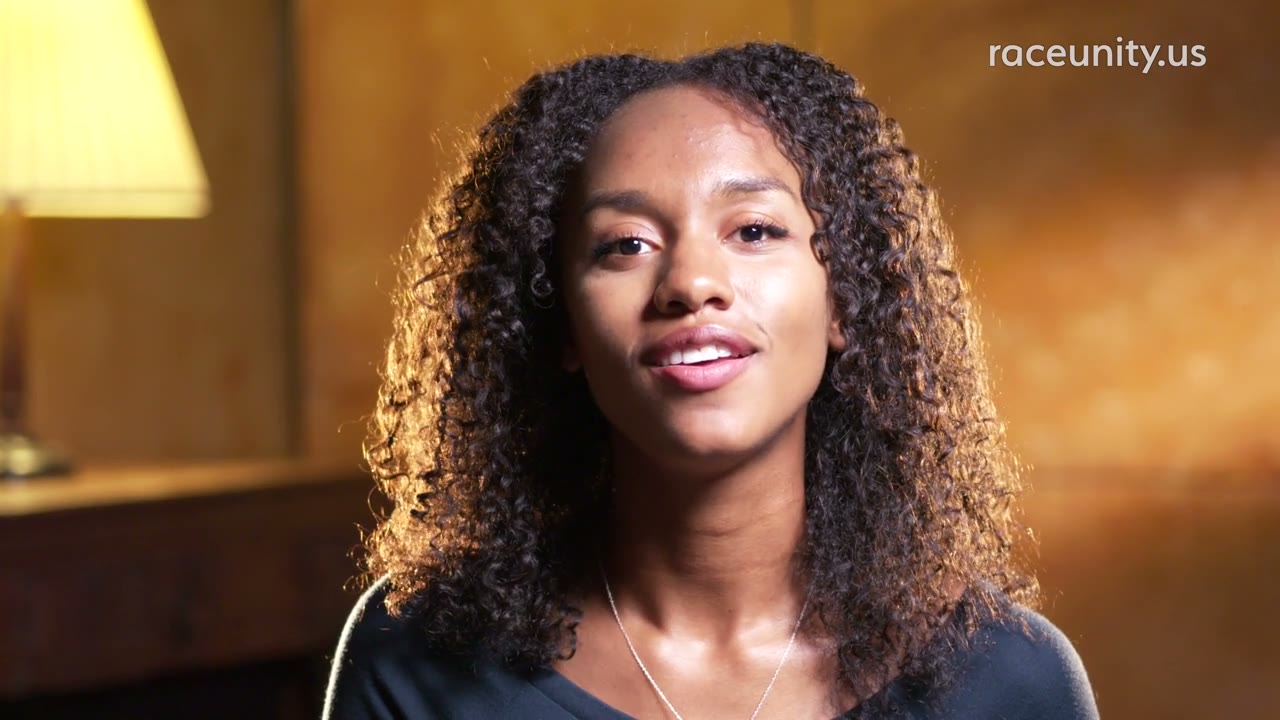
7.The spiritual roots of racism
Hopelessness comes from not knowing how to change root problems – the Baha’i writings have the power to transform our hearts.
8.Meaningful conversations that address racism
Baha’i activities in gentrifying Brooklyn help us to build friendships with people from different backgrounds.