Baha'i CommunityMeeting Baha’is in actionYou can be pulled in many directions at college – my Baha’i friends showed me that faith and action go together.
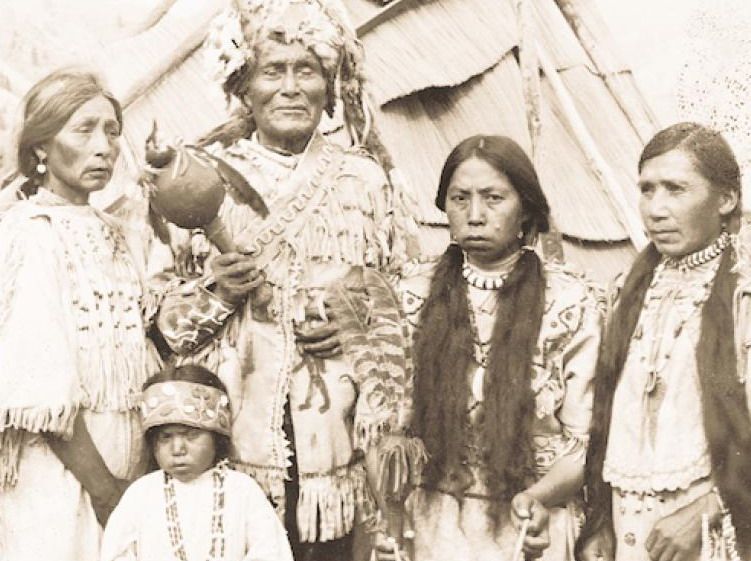
Baha'i Community BuildingBridging communities of color through serviceFirst Nations Baha’is offered community-building activities to their friends and neighbors – even the prayers were in Navajo.
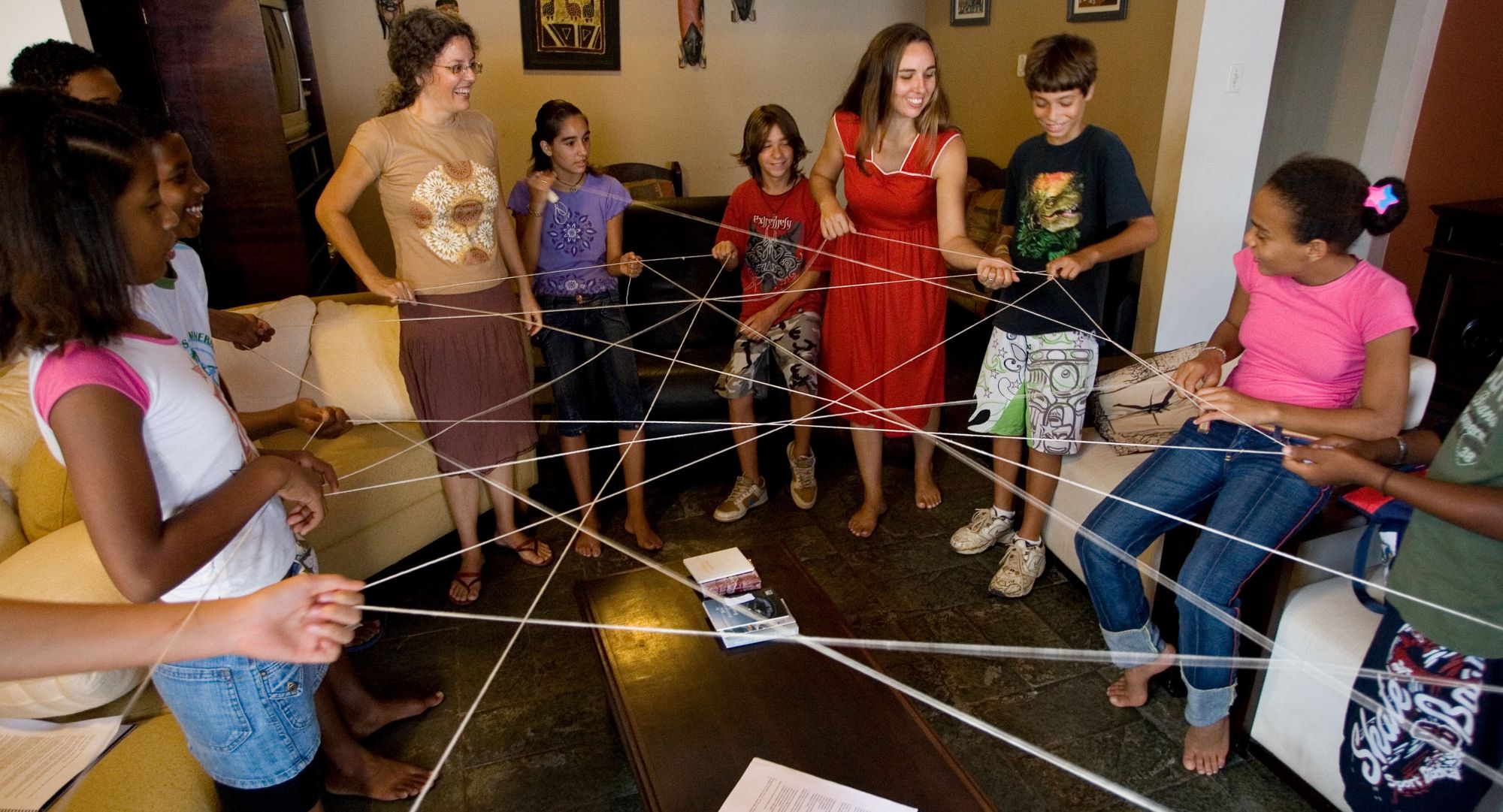
Baha'i Community BuildingThe intersection of race, class and young peopleThe Baha’i junior youth program helps develop powers of expression – so that young people become aware of injustice and how to address them.
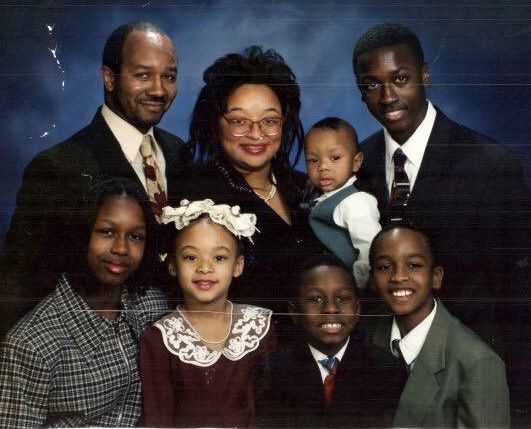
Racial IdentityA family’s legacyMy eighth-grade teacher taught us as if the eighth grade was going to be our last year of education.
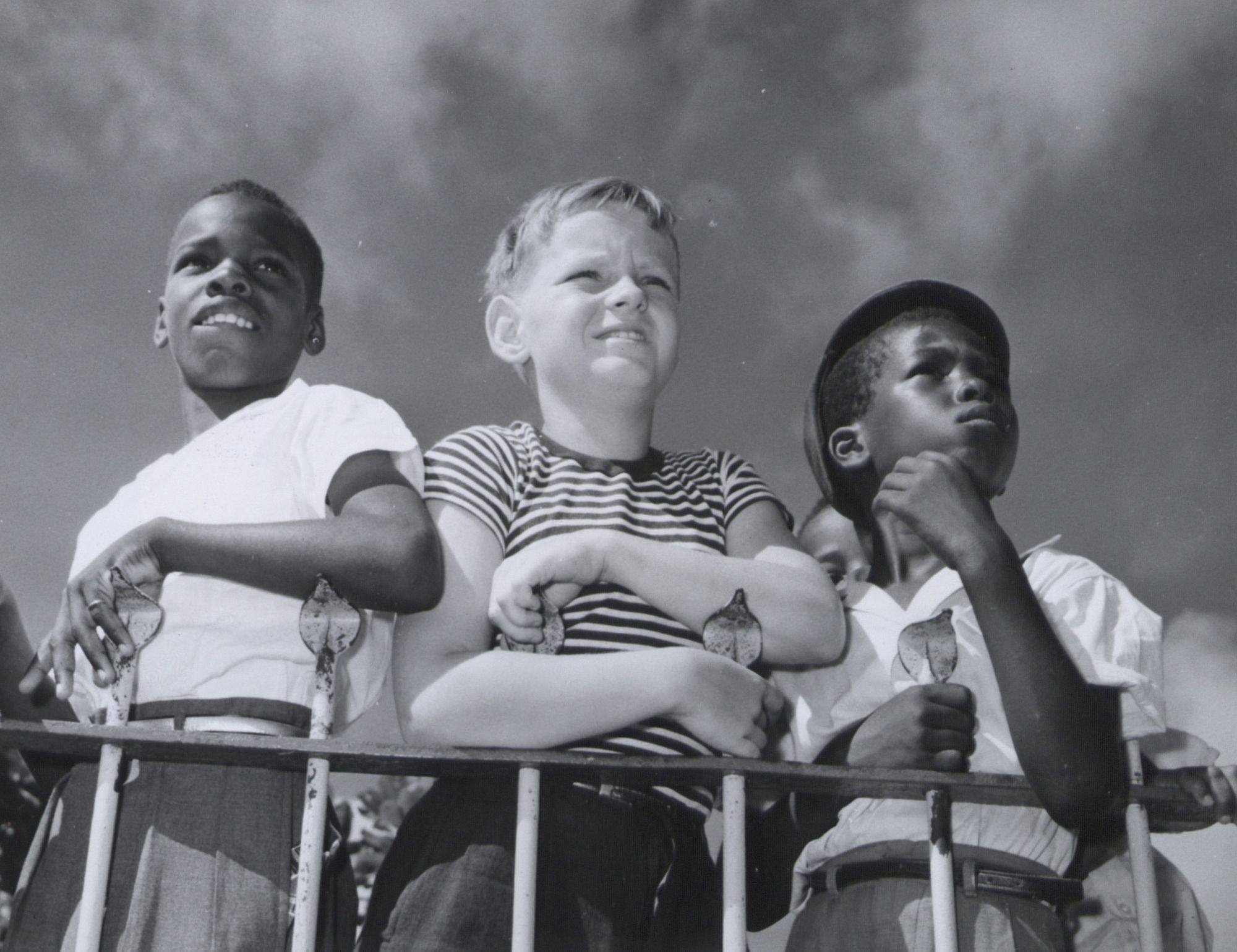
Baha'i Community BuildingPushing forward as Baha’isWhen Emmett Till was killed, many Baha’is said it was too bad, but we did not have the experience to address it.
Racial UnityShowing the way to surviveOnce you deal with people who are persecuted you never really stop.
Baha'i CommunityBecoming a Baha’i, 10% at a timeAt the end of my first year of university, I saw that I was doing more Baha’i things than other things and I was okay with that.
Baha'i FaithFrom Christian to Baha’i – via ChristIn the Bible we’re told to watch and pray, that Christ will come again like a thief in the night.
Baha'i CommunityLearning to pray in a diverse communityWorship is an intimate act – you’re opening your heart to encounter the divine in the presence of others.
Baha'i CommunityFilling institutions with the spirit of onenessThe Baha’i teachings say it’s mandatory for our spirits and hearts to eradicate racism.
Baha'i CommunityA variety of racesWhat attracted me was the Baha’i principle to actively work for the elimination of prejudice.
Interracial RelationshipsGiving God a deadlineI met Suhail and it was mutual disinterest at first sight. But when he hugged me I thought, “I could get used to this.”
Baha'i Community BuildingThe opposite of love isn't hate - it's apathyIf truthfulness is the foundation of all human virtues, what does it look like to apply that to eliminating racial prejudice?
Baha'i CommunityA choice for the agesMy grandparents could have passed for white – but they were proud of being African-Americans and were active in Civil Rights.
Racial IdentityCommitted to the truthMy fourth-grade teacher referred to First Nations people as “savages” – my mother then told him to get his facts straight.
Baha'i CommunityFinding hope in a hopeless timeGrowing up in a Baha’i family in the 1960s gave me hope – otherwise I wouldn’t believe there could be justice for people of color.
Baha'i CommunityLiving the integrated lifeThe Baha’i community in Nashville was a third black, a third white and a third Iranian. I thought I’d died and gone to heaven.
Baha'i CommunityHow Baha’i institutions can address raceA high number of African-Americans get elected to our Local Spiritual Assembly – and the majority of voters are Iranians.
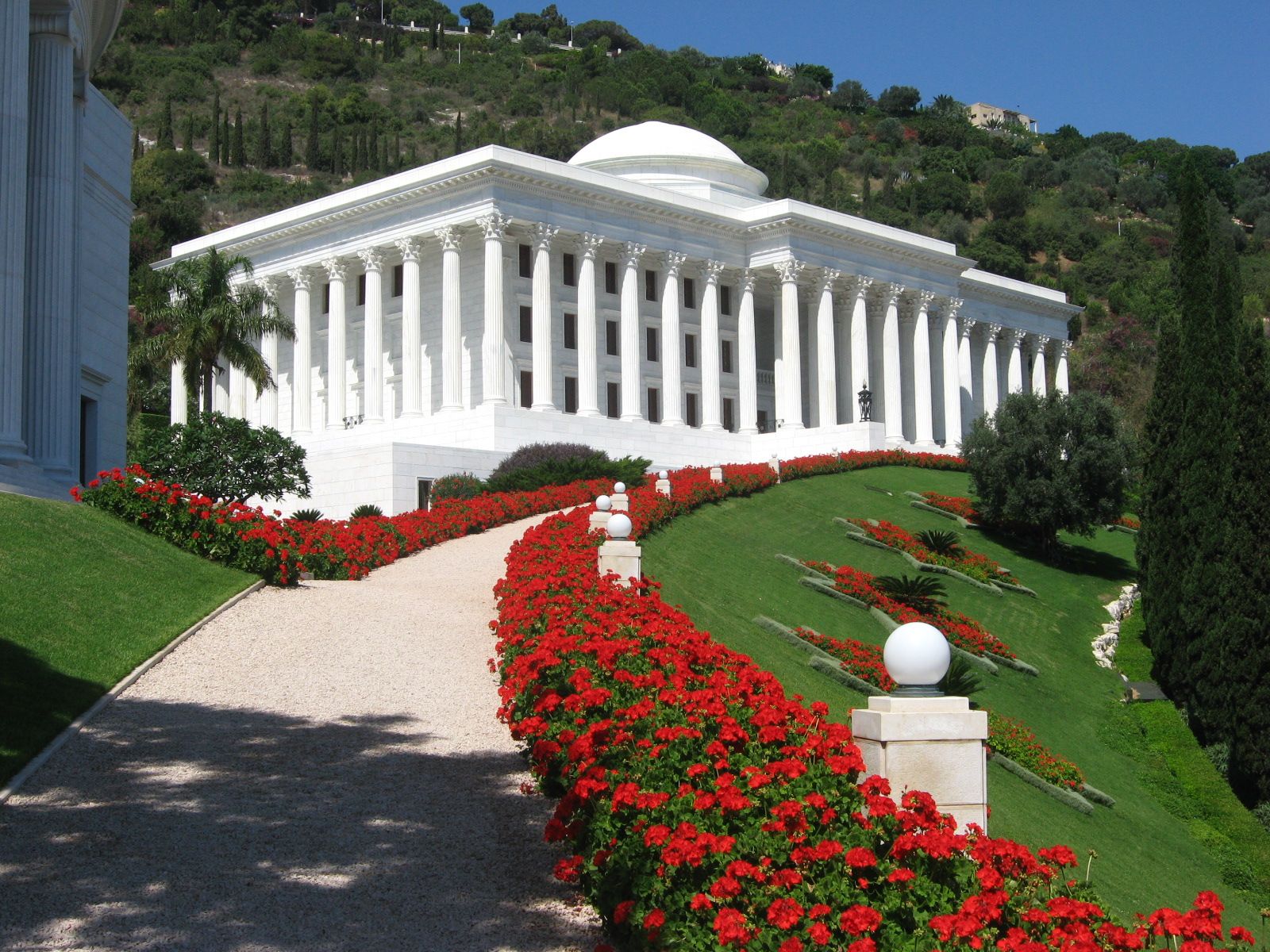
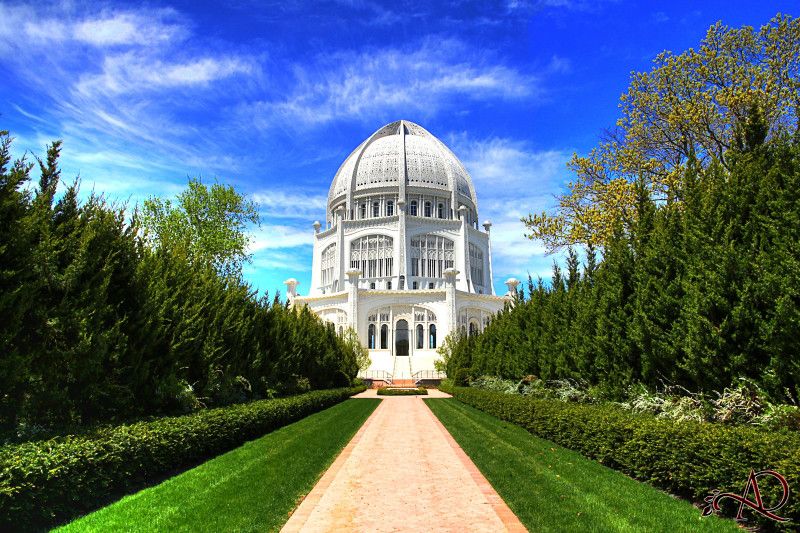
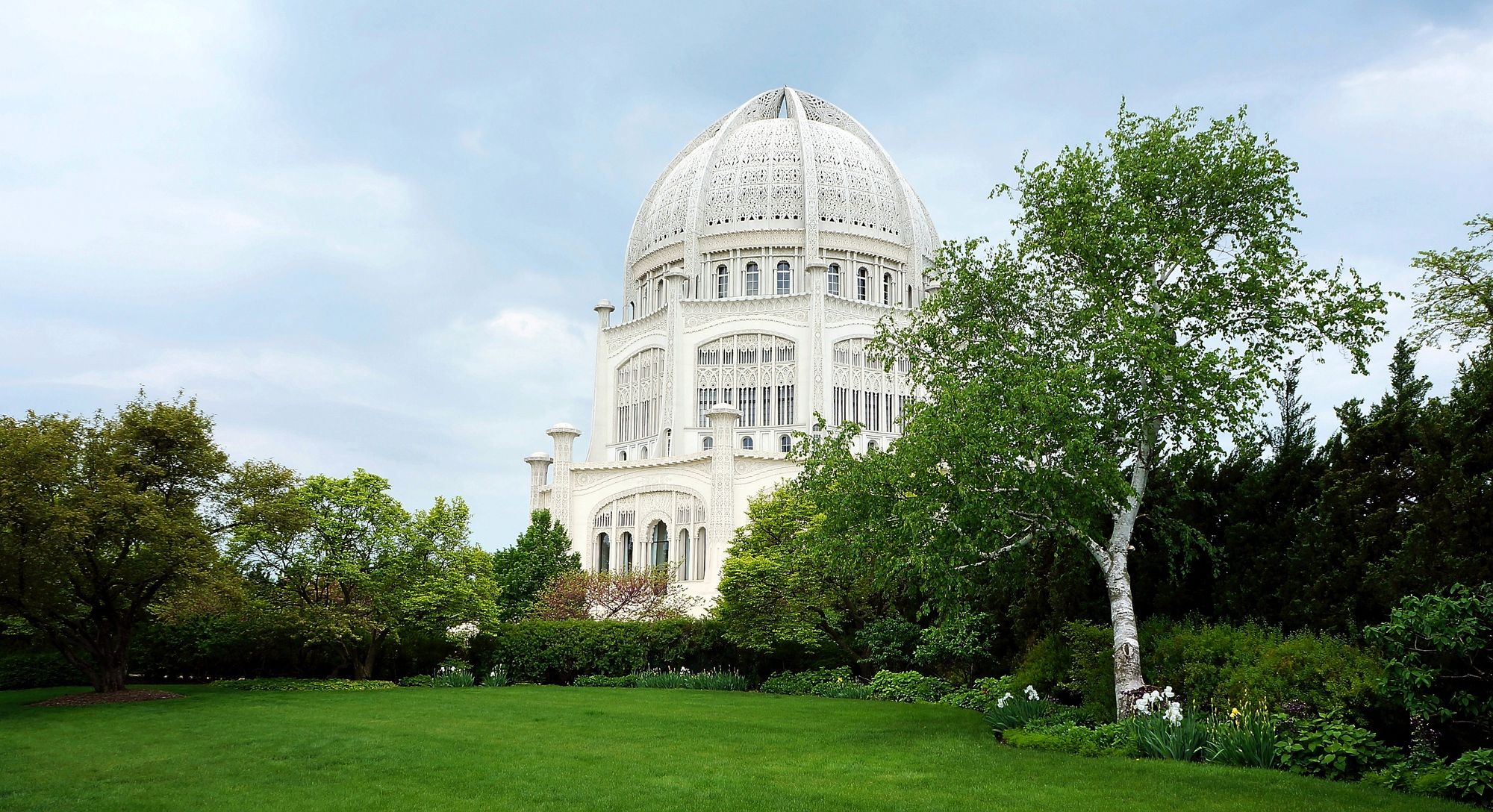
Baha'i CommunityVisiting the Baha’i House of WorshipThe first thing I saw was a white man hugging a black woman. And something was let loose inside me.
Baha'i CommunitySouth and NorthEven though I avoided lunch with some white Baha’is, my family was my Baha'i community.
Racial UnityCulture shock – in AmericaMy mother-in-law held up her arms and said 'my daughter' and I just broke down in tears.
Baha'i CommunityThe liberation of meeting the Baha’isJack Guillebeaux: The separation was entrenched and it was violent.
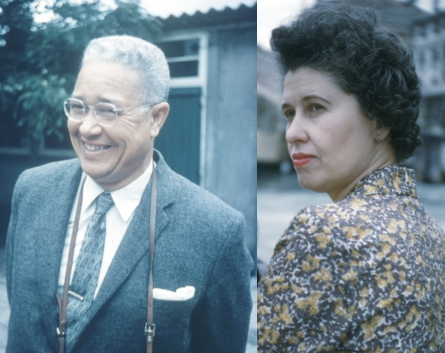
Interracial RelationshipsDreaming of the futureFarzaneh Guillebeaux: The news of our marriage was like a bomb in Tehran because it was just so rare.
Baha'i CommunityThe challenge of learning unity in diversityFarzaneh Guillebeaux: Learning about unity in diversity is a challenge, not just for America, but for the Baha’i community as well.
Baha'i CommunityChoosing the Baha’i Faith over angerThere was something in me that pushed me to search out answers for myself.
Racial UnityLove is an action verbFar too often we have squandered so much human capital and potential because of racism.
Baha'i CommunityNotes on meeting the Baha’i communityWe have to be conscious of the message we send through what we say and what we do.
Baha'i CommunityA brilliant stroke of parentingThe Baha’is in my town collaborated on Martin Luther King Day, they put on a Black History Month program. They were impressive.
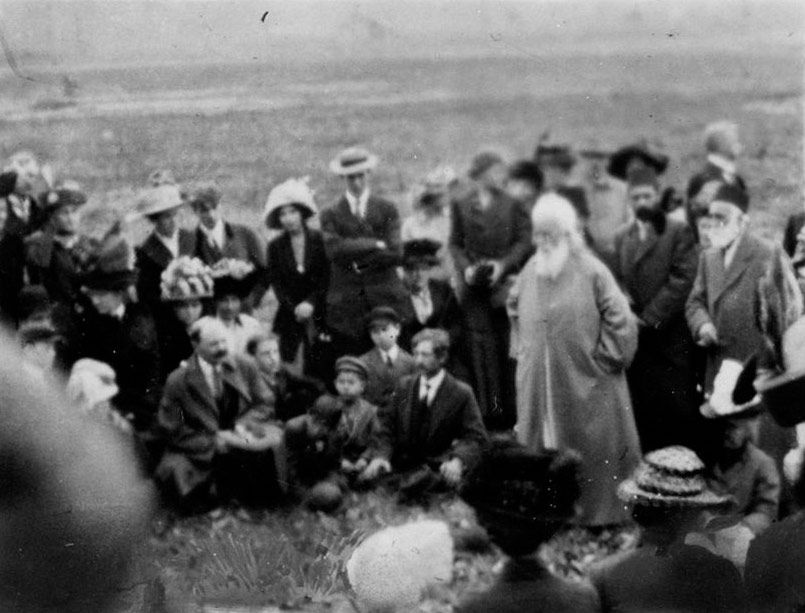
Baha'i CommunityAbdu’l-Baha and Louis GregoryLouis Gregory, an African-American lawyer, tried to slip out the back door as a gathering of white guests arrived to see Abdu’l-Baha.
Baha'i CommunityA handful, a roomful and then a great gatheringIn the 1920s and later, had black Southerners been given the chance they would have responded to the Baha’i Faith in large numbers.
Baha'i CommunityLeaving the comfort zoneThe size of the American Baha'i community grew faster than anybody could predict.
Baha'i CommunityLiving through the century of lightThe 1960s and 1970s were the richest period that the Baha'i world community has ever experienced.
Baha'i CommunityThe most distinctive aspect of Persian cultureIranians fleeing trauma in their own country came to the US unprepared for the nuances of the racial situation.
Baha'i CommunityLosing then finding his religionI noticed within the Baha'i community there were African-Americans, whites, Filipinos and others all working together.
Baha'i CommunityOffering an African-American spirit to the Baha'i faithWe would sing for hours and then deepen ourselves on our responsibilities as Baha’is.
Baha'i CommunityLove isn’t something to be scheduledBarbara Talley: I dealt with lots of racism – but I met these Baha’is that didn’t treat me like a color.
Baha'i CommunityFinding a new religion through white Baha’isAnthony Vance: My father was impressed by how he was treated by white Baha’is.
Baha'i CommunityEmbracing diversity to overcome residential segregationAnthony Vance: 7 out of 10 white Americans have no close black friends, and 4 out of 10 African-Americans have no close white friends.
Baha'i CommunityYe shall know them by their fruitsMichael Penn: I started to cry, but I wasn’t sure why I was crying.
Racism in AmericaThinking ourselves freeMichael Penn: My wife is a white American – it’s startling to see how comfortable people are with her.
Racism in AmericaAddressing racism through constructive resilienceMichael Penn: In addition to dismantling destructive processes, we have to build what we think is right.
Baha'i CommunityA spiritual assemblyMichael Penn: I was moved by the sweetness, the humility, the frankness and the love that they had for me.
Baha'i CommunityStanding up for the wellbeing of allBaha’is are supposed to be champions of justice – to stand up for humanitarian issues.
Baha'i CommunityA devotional cultureAfrican-Americans know how to come together to pray – they can offer this to Baha’i communities.
Baha'i CommunityDiscovering diversity and spiritual solutionsMy downstairs neighbors were Baha’is. We talked for three days and then I was one too.
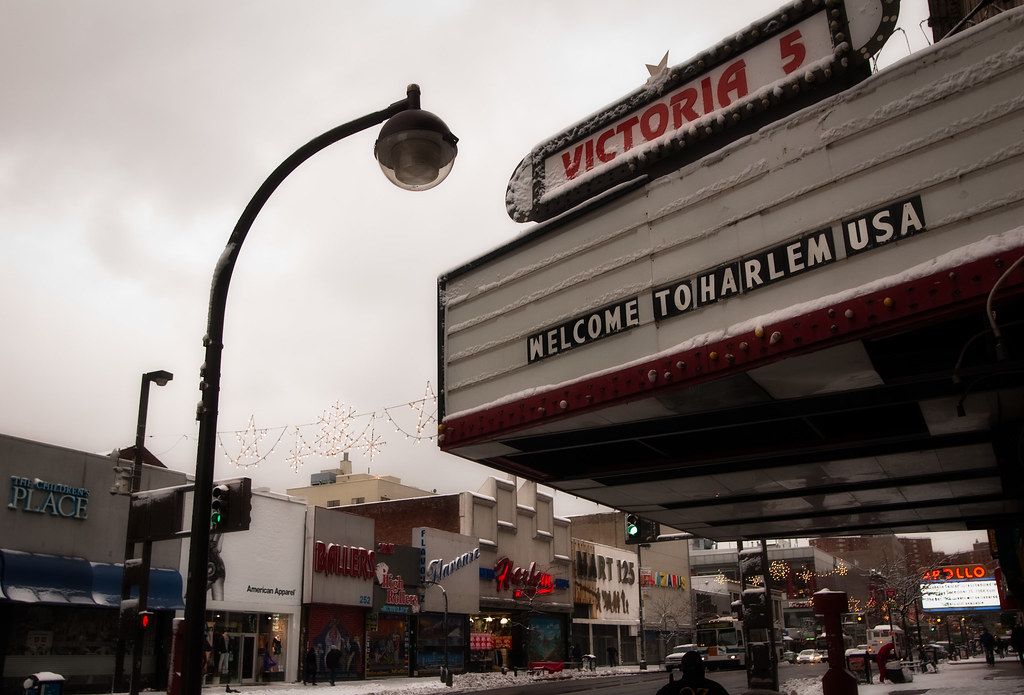
Baha'i CommunityLearning to pray from African-AmericansThe Harlem Baha’i teaching institute didn’t do anything until they had properly prayed up the room.
Baha'i CommunityA new Harlem generationI was horrified that so many Baha’is in Harlem were white – but then I saw they were reaching out to their neighborhoods of color.
Racism in AmericaPrejudice in Iran, prejudice in AmericaHussein Ahdieh: Race is a most challenging issue that the American community is facing.
Baha'is in IranComing to AmericaHussein Ahdieh: I always thought “aliens” came from another planet, I didn’t know it applied also to human beings.
Baha'i CommunityReforming education in 1960s HarlemHussein Ahdieh: Harlem Prep was the most rewarding and colorful period in our lives.
Baha'i CommunityMore stories from Harlem PrepHussein Ahdieh: There was a kid at our school walking around with a gun in his hand.
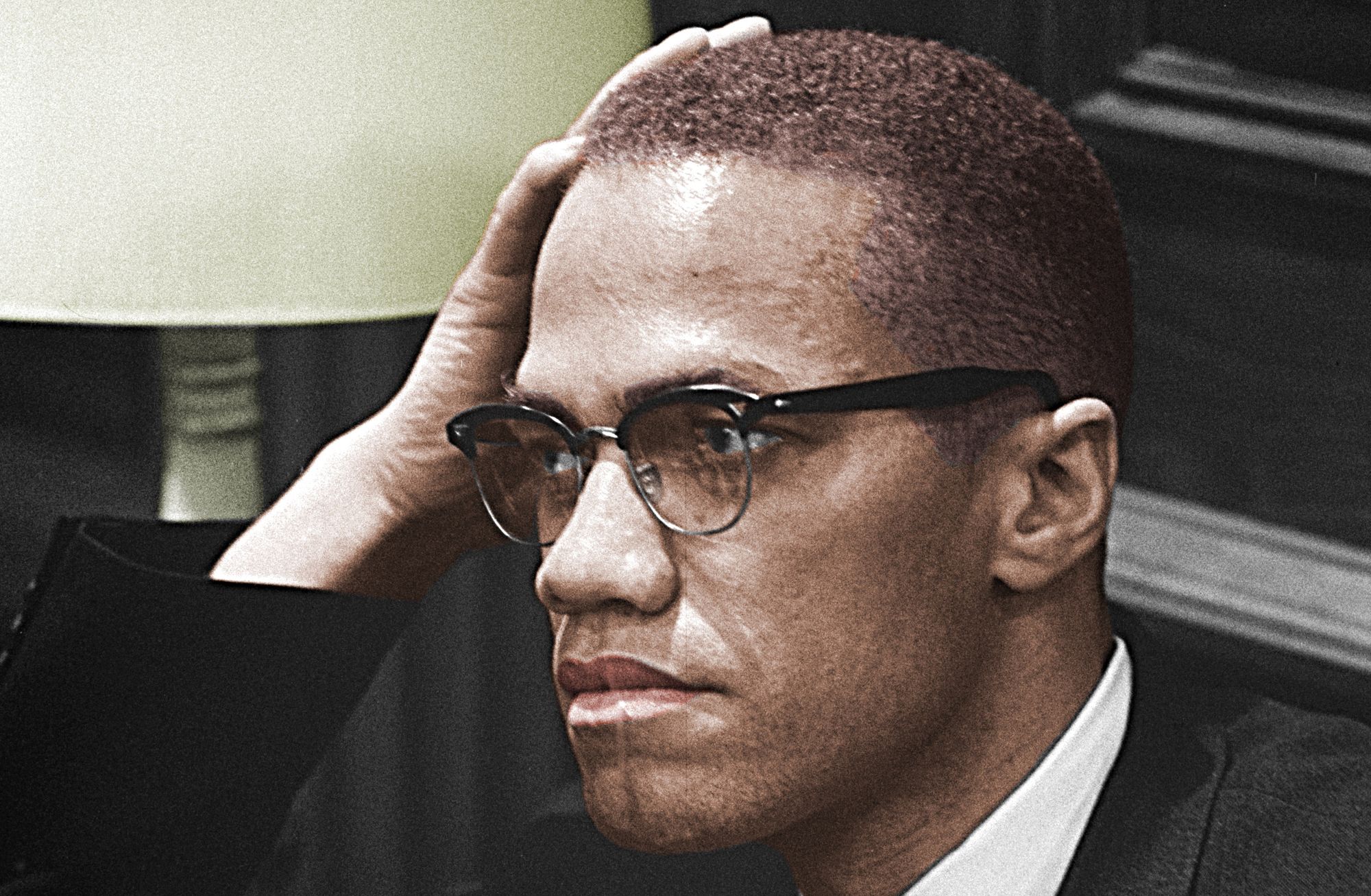
Baha'i CommunityTalking to Malcolm X about the Baha'i faithHussein Ahdieh: I met Malcolm X at a Baha’i event where he talked about horrible white people.
Baha'i CommunityFinding the Baha’is through 1970s soft rockTavoria Kellam: A man I didn’t know walked up to me and said, I bet you’re thinking about the Baha’i faith. And I was.
Baha'i CommunityBlack, white, Persian and everything elseTavoria Kellam: The Baha’i community was very diverse – it was miles ahead of anything I’d been exposed to.
Segregation in AmericaHow race and class intersectTavoria Kellam: Our Baha’i Center is in a neighborhood of a certain class, it doesn’t always attract people from uptown.
Baha'i CommunityRacism and constructive resilienceAfrican-Americans have always understood that it’s very hard to simply become racist in response to acts of hatred.
Baha'i CommunityCreating the Black Men’s GatheringI didn’t see enough African-American men active in the Baha’i community and I began to ask why.
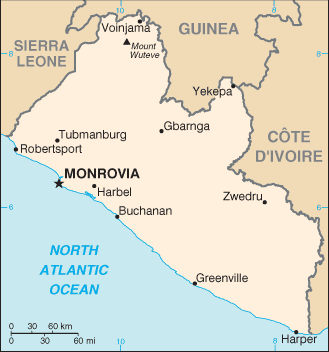
Baha'i CommunityA Liberian reunion in GhanaWe walked in and there was an uproar at the back – a group of young men said “We know him!”
Baha'i CommunityA hotbed of political activityMy sense of how to be a person and a Baha’i moved me to leave a legacy behind.
Baha'i CommunityAmerican Baha’is & heavenly trainingAbdu’l-Baha came to the United States at the turn of the 20th century – like a first responder.
Baha'i CommunityThe behaviors needed for changeThe Baha’i writings defined “implicit bias” 70 years before Harvard came up with the idea.
Racial IdentityRacism at home and abroadSouth African Baha’is of different races would meet and be visited by the police.
Racial DiscriminationTurning anger into searchMy interest in social issues and injustice was my soul searching for answers and the truth.
Baha'i CommunityUnity in diversityNature understands it – there’s so much diversity just in plant life but it all works together.
Slavery in AmericaFacing up to a legacy of entitlementI was impressed when Baha'i friends from European backgrounds weren’t afraid to acknowledge their own slave-owner ancestors.
Baha'i CommunityFinding a husband and a new religionThis handsome young lad introduced me to the Baha’i faith – I was overjoyed when I became a Baha’i.
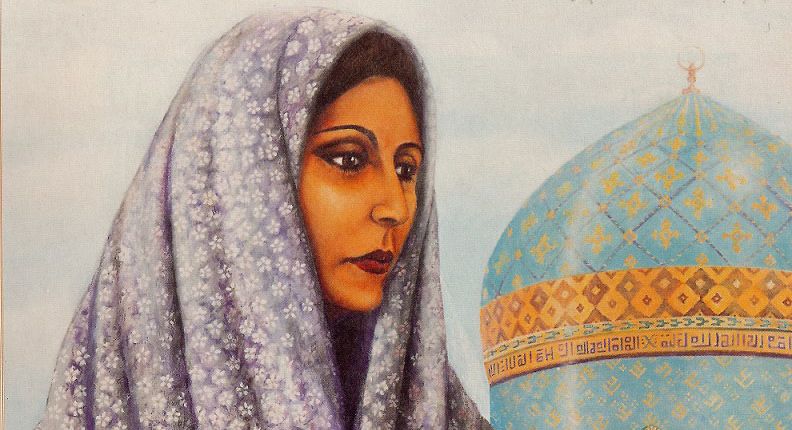
Baha'i CommunityAfrican-Americans and Iranian Baha'is are both treated unjustlyMaya Mansour: Tahirih was the first woman to be incarcerated in Persia.
Baha'i CommunityGrowing up as a white Baha'i in a segregated worldKen Bowers: Growing up, everybody in our Baha’i community, black and white, was my family.
Baha'i Community BuildingBuilding community to achieve race unityKen Bowers: We're challenged to think consciously about the implications of justice and of building a united community.
Baha'i FaithFrom South Carolina to MichiganMy church was filled with Civil Rights protestors – one of them said I should explore the Baha’i faith.
Baha'i CommunityLeaving homeIf you’ve been in a black church you know how dynamic it is – leaving it for an inter-racial community was traumatic.
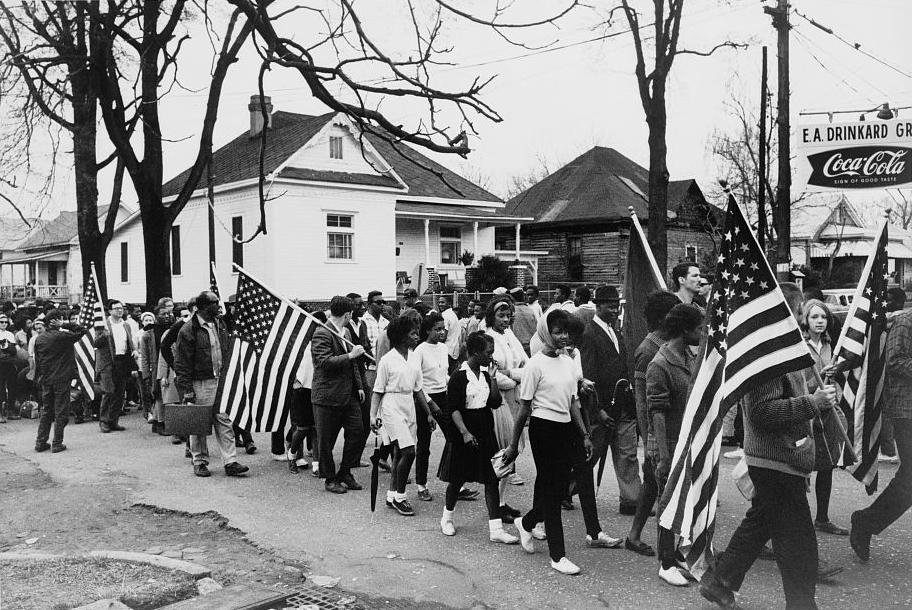
Baha'i CommunityGrowing up as a Civil Rights warriorThe Baha’i community taught racial unity and they also lived it – which was the goal of the Civil Rights movement.
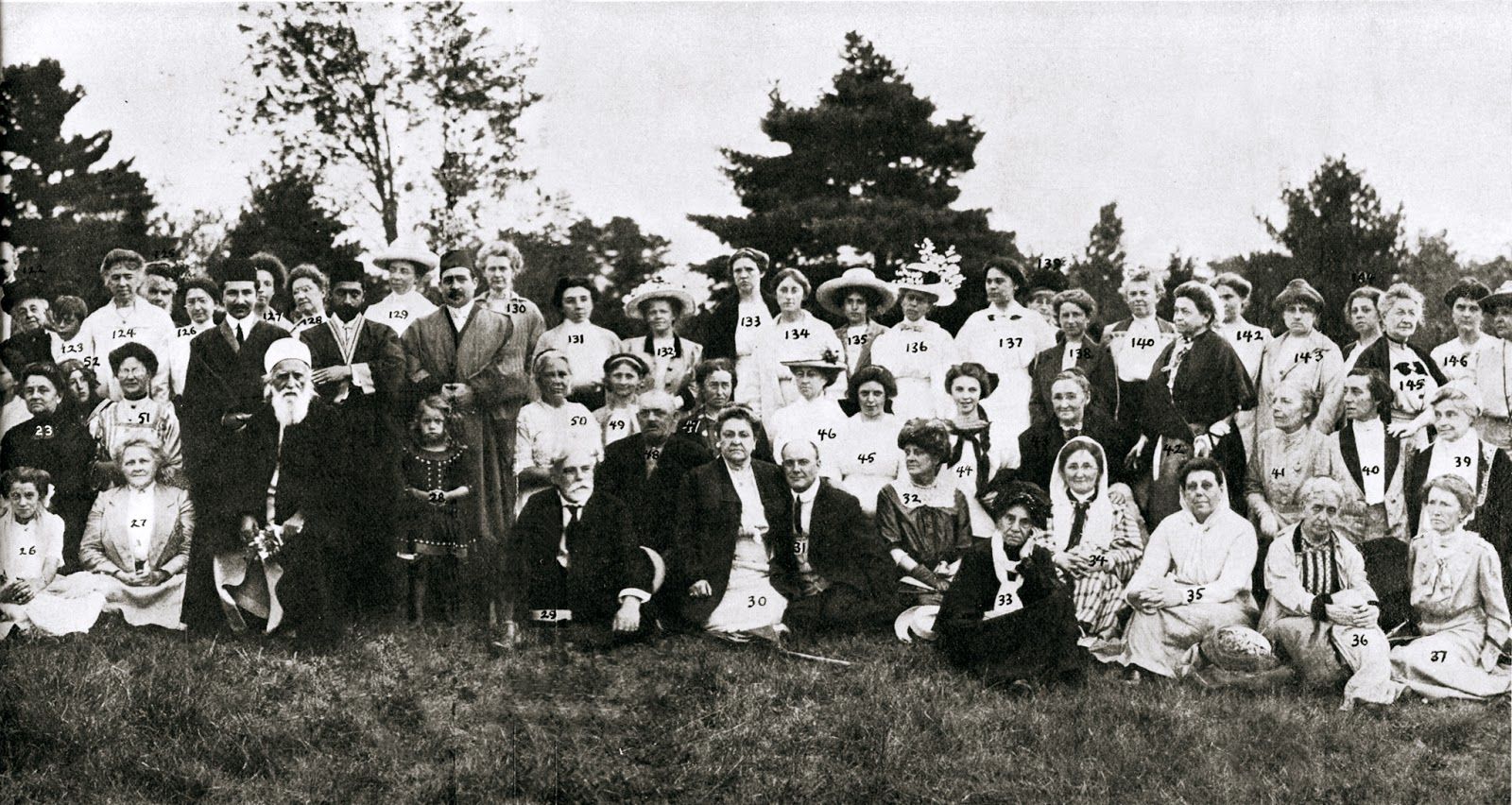
Baha'i CommunityAbdu’l-Baha in AmericaThe head of the Baha’i faith visited the United States in 1912 and described blacks and whites as sapphires and pearls.
Baha'i FaithApplying Baha’i ideas to scholarship & academiaWhite students felt guilty and didn’t know what to do, and students of color would feel extremely angry.