Baha'i CommunityMeeting Baha’is in actionYou can be pulled in many directions at college – my Baha’i friends showed me that faith and action go together.
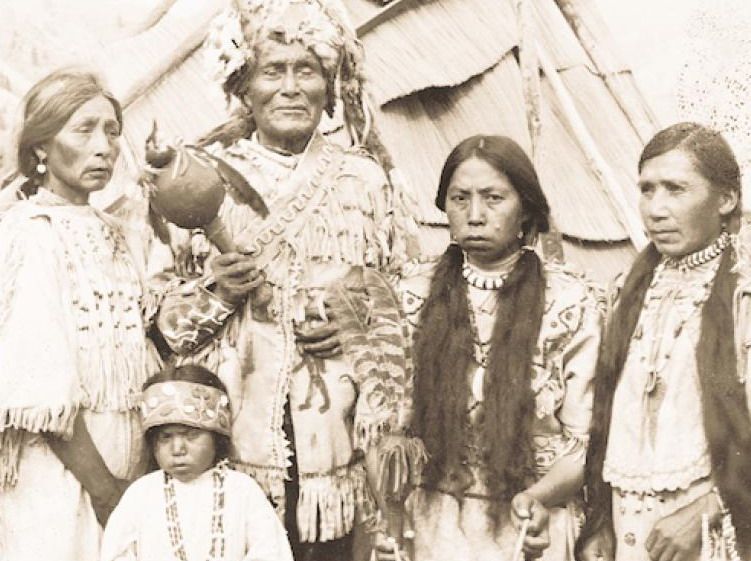
Baha'i Community BuildingBridging communities of color through serviceFirst Nations Baha’is offered community-building activities to their friends and neighbors – even the prayers were in Navajo.
Baha'i Community BuildingThe intersection of race, class and young peopleThe Baha’i junior youth program helps develop powers of expression – so that young people become aware of injustice and how to address them.
Racial UnityWorking for racial harmonyI am a black woman so I felt my duty was to talk about race in a positive way, not dwelling on what we have been through.
Baha'i Community BuildingPushing forward as Baha’isWhen Emmett Till was killed, many Baha’is said it was too bad, but we did not have the experience to address it.
Racial UnityShowing the way to surviveOnce you deal with people who are persecuted you never really stop.
Baha'i Community BuildingRace and the twofold moral purposeI didn’t feel racism growing up in Memphis. But at university I learnt why – the racism in Memphis is invisible racism.
Racial UnityHungry for unityNew relationships are being built – forcing people to see each other as equals.
Baha'i CommunityFilling institutions with the spirit of onenessThe Baha’i teachings say it’s mandatory for our spirits and hearts to eradicate racism.
Baha'i FaithA fountain of lightBaha’u’llah says people of African descent are the “pupil of the eye” – it has caused me to reflect on my role in this world.
Racial UnityTaking the medicineIf we had prejudice before, we’re going to have it as Baha’is. The difference is we’ve agreed to work it out.
Baha'i CommunityA variety of racesWhat attracted me was the Baha’i principle to actively work for the elimination of prejudice.
Interracial RelationshipsGiving God a deadlineI met Suhail and it was mutual disinterest at first sight. But when he hugged me I thought, “I could get used to this.”
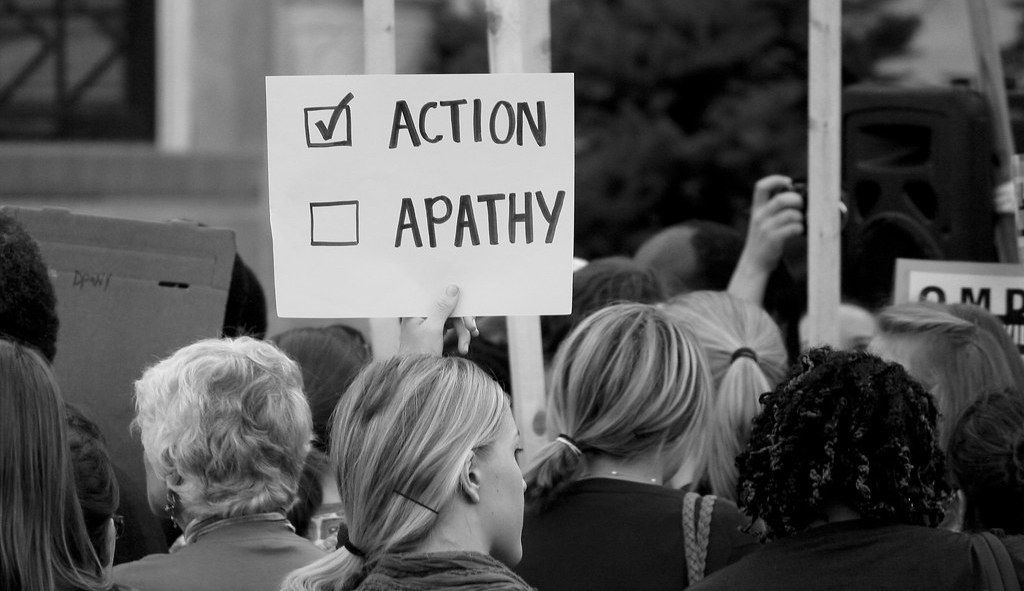
Baha'i Community BuildingThe opposite of love isn't hate - it's apathyIf truthfulness is the foundation of all human virtues, what does it look like to apply that to eliminating racial prejudice?
Baha'i FaithResolving racism for the good of all humanityThe Baha’i writings say if we don’t address racism then the world will have nowhere to turn during its great turmoil.
Baha'i CommunityA choice for the agesMy grandparents could have passed for white – but they were proud of being African-Americans and were active in Civil Rights.
Racial IdentityCommitted to the truthMy fourth-grade teacher referred to First Nations people as “savages” – my mother then told him to get his facts straight.
Baha'i CommunityFinding hope in a hopeless timeGrowing up in a Baha’i family in the 1960s gave me hope – otherwise I wouldn’t believe there could be justice for people of color.
Racial UnityWhat people think black people doI was an intellectual – my school didn't know how to handle somebody who wasn’t stereotypically black.
Baha'i CommunityLiving the integrated lifeThe Baha’i community in Nashville was a third black, a third white and a third Iranian. I thought I’d died and gone to heaven.
Baha'i CommunityHow Baha’i institutions can address raceA high number of African-Americans get elected to our Local Spiritual Assembly – and the majority of voters are Iranians.
Baha'i Community BuildingBeing the changeWe saw that more of our African-American brothers and sisters engaged as we educated ourselves about race in America.
Baha'i CommunitySouth and NorthEven though I avoided lunch with some white Baha’is, my family was my Baha'i community.
Racial IdentityRelying on Baha’u’llahI thought I would probably marry an African when I lived in Liberia. So I married a white man.
Racial UnityCulture shock – in AmericaMy mother-in-law held up her arms and said 'my daughter' and I just broke down in tears.
Racial UnityTeaching a mixed-race child how to be blackGod loves laughter – and I had to laugh because my first two children were easy compared to this one.
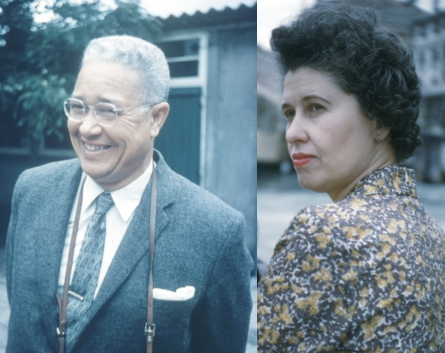
Interracial RelationshipsUnready to say yes – unwilling to say noJack Guillebeaux: There was something special about her and I told one of my friends that I'm going to marry that one.
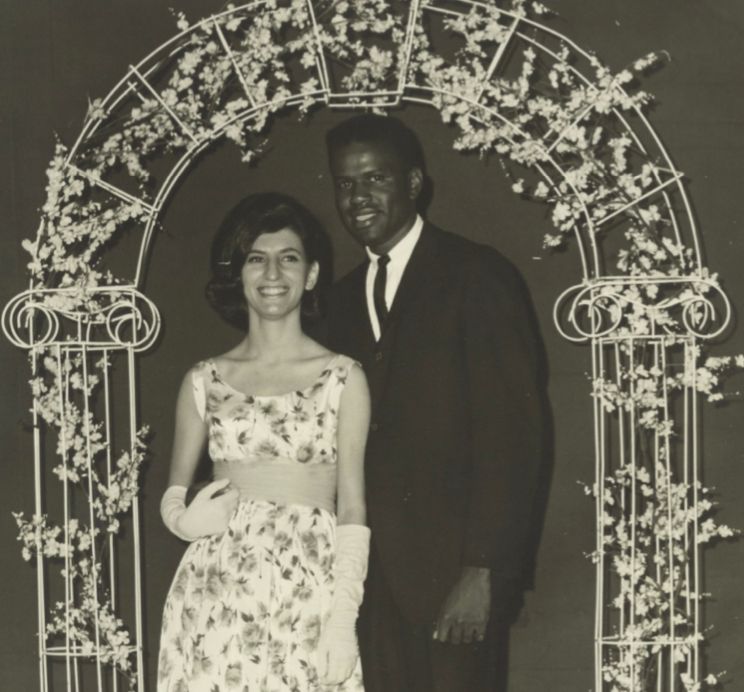
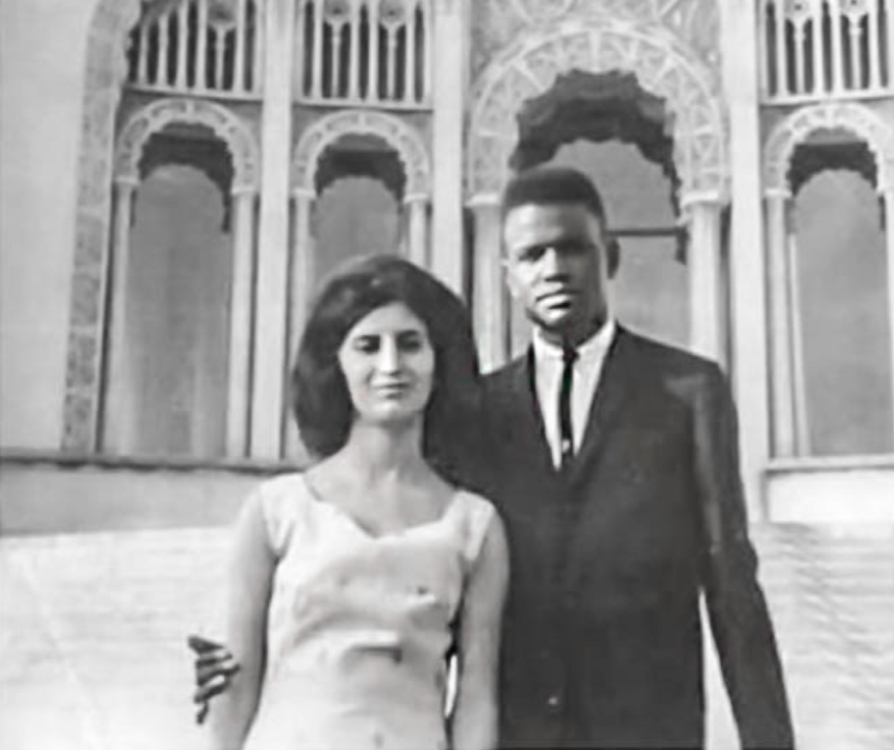
Interracial RelationshipsLife as an interracial couple in 1960s North CarolinaJack Guillebeaux: The worst thing that could happen is for Fafar or I to show fear.
Interracial RelationshipsLooking for a legal way to marryFarzaneh Guillebeaux: Many of the townspeople showed up at our wedding reception to see if it was really going to happen
Baha'i CommunityThe challenge of learning unity in diversityFarzaneh Guillebeaux: Learning about unity in diversity is a challenge, not just for America, but for the Baha’i community as well.
Racism in AmericaThe n-word and other lessons in prejudiceI remember being baffled by it and my parents telling me that's just the way of the world.
Baha'i CommunityChoosing the Baha’i Faith over angerThere was something in me that pushed me to search out answers for myself.
Arts and Social ChangeJazz and the oneness of humanityWhen you become a Baha'i you haven't suddenly arrived at some mystical destination where you don't have to work on these issues.
Racial UnityLove is an action verbFar too often we have squandered so much human capital and potential because of racism.
Baha'i CommunityNotes on meeting the Baha’i communityWe have to be conscious of the message we send through what we say and what we do.
Racial UnityA mother’s eyes on the prizeMy first black teacher was in second-grade – and both my grandmothers tried to get me transferred out of that class. My mother told them to go to hell.
Baha'i CommunityLeaving the comfort zoneThe size of the American Baha'i community grew faster than anybody could predict.
Baha'i CommunityLiving through the century of lightThe 1960s and 1970s were the richest period that the Baha'i world community has ever experienced.
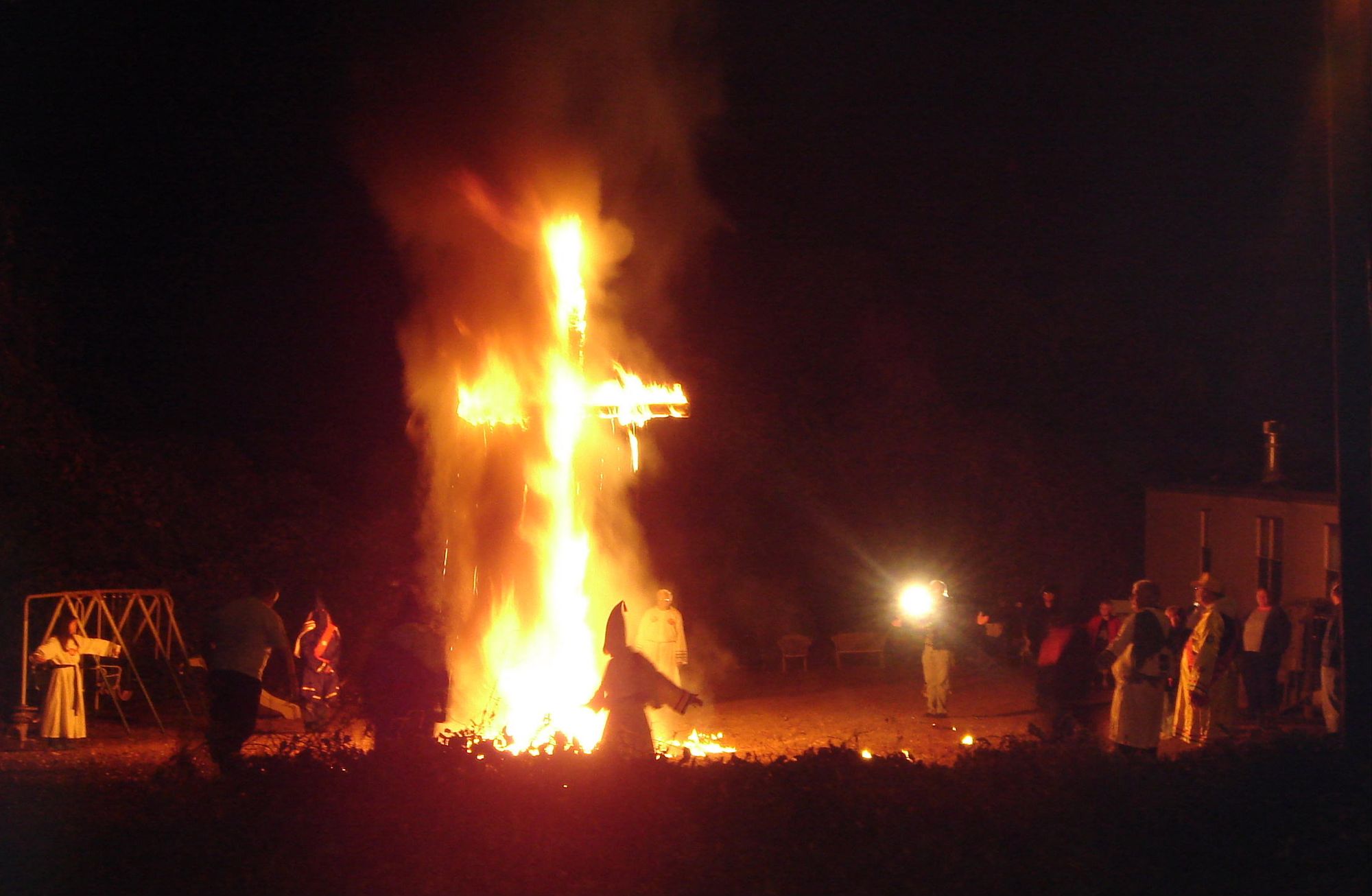
Racism in AmericaDeath threats and cross-burningsAfrican-American visitors would have to go through this gauntlet of angry white people all the way to our house.
Racism in AmericaPlease don’t leave a tipWe walked through the all-white restaurant as an integrated group. Silence fell, and I thought, what have I done?
Racism in AmericaDreams of the future, flashes of the pastMy great-grandfather was born into slavery – and the slave owner was his father.
Baha'i CommunityLosing then finding his religionI noticed within the Baha'i community there were African-Americans, whites, Filipinos and others all working together.
Racism in AmericaExperiencing racism for the first timeSome white students told my white roommate to never be seen around African-Americans – or they’d harm him.
Interracial RelationshipsThe rewards of an inter-racial marriageIt may have been easier to marry someone of our own ethnicity. But this is one of the best ways to break down barriers.
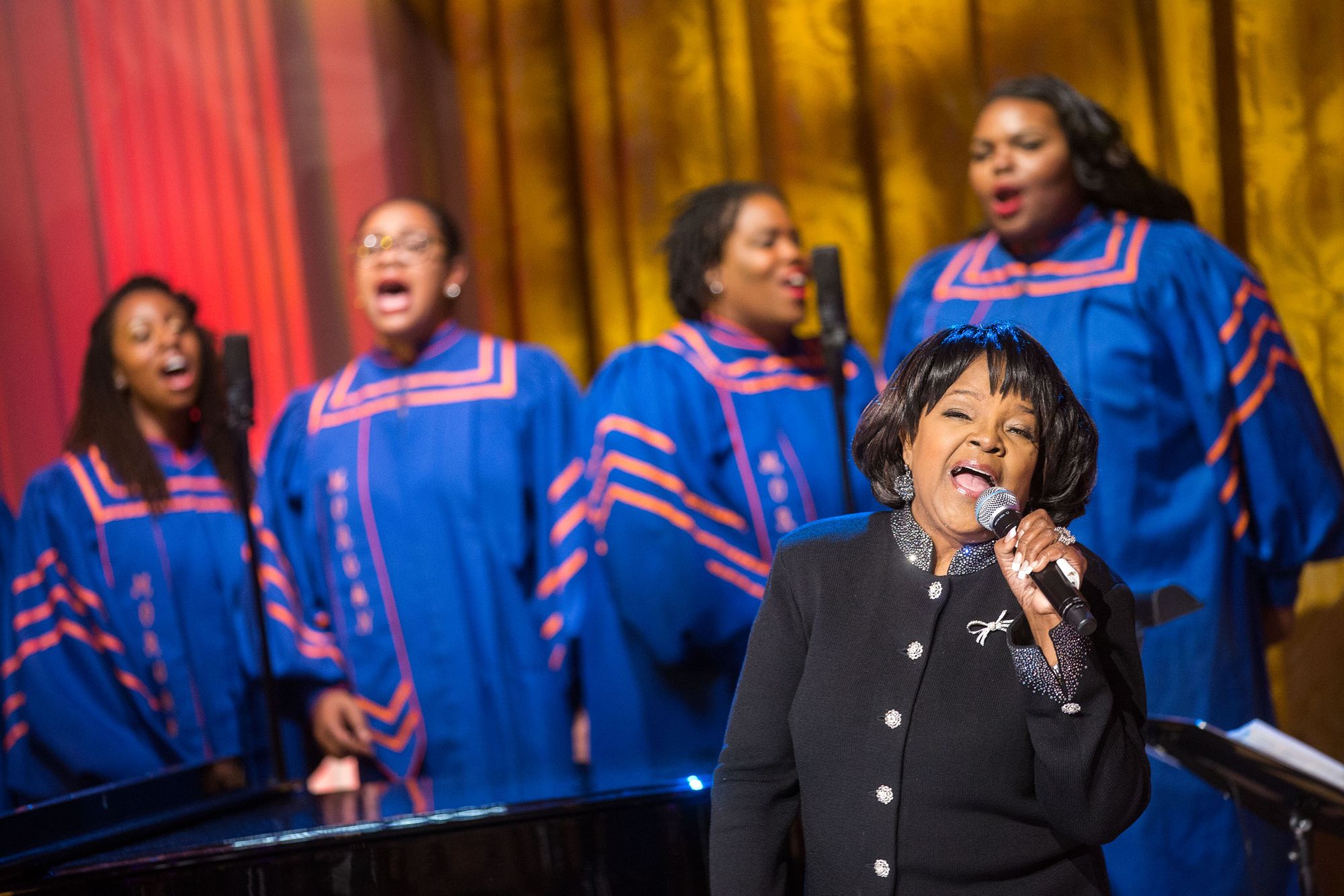
Baha'i CommunityOffering an African-American spirit to the Baha'i faithWe would sing for hours and then deepen ourselves on our responsibilities as Baha’is.
Baha'i FaithBy any means necessaryBarbara Talley: I always had this question: why are there so many religions?
Baha'i FaithGirl, you ain’t no Baha’iBarbara Talley: I had read others saying that black people are cursed, and here was a religion calling us noble.
Baha'i CommunityLove isn’t something to be scheduledBarbara Talley: I dealt with lots of racism – but I met these Baha’is that didn’t treat me like a color.
Racial UnityRace unity from Texas to TennesseeBarbara Talley: There was a perception that if you talk about race, it creates the issue. We’re just sharing our stories.
Baha'i Community BuildingSpiritual reparationsBarbara Talley: The Bible said the last shall be the first, and the meek shall inherit the Earth. This is it.
Baha'i FaithSome people pretend to be asleepBarbara Talley: Maybe we weren’t brought here. Maybe we were sent here.
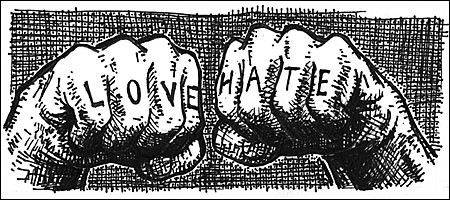
Racial UnityLove and hate: a poemBarbara Talley: On my way to heaven we stopped, and took a detour through hell.
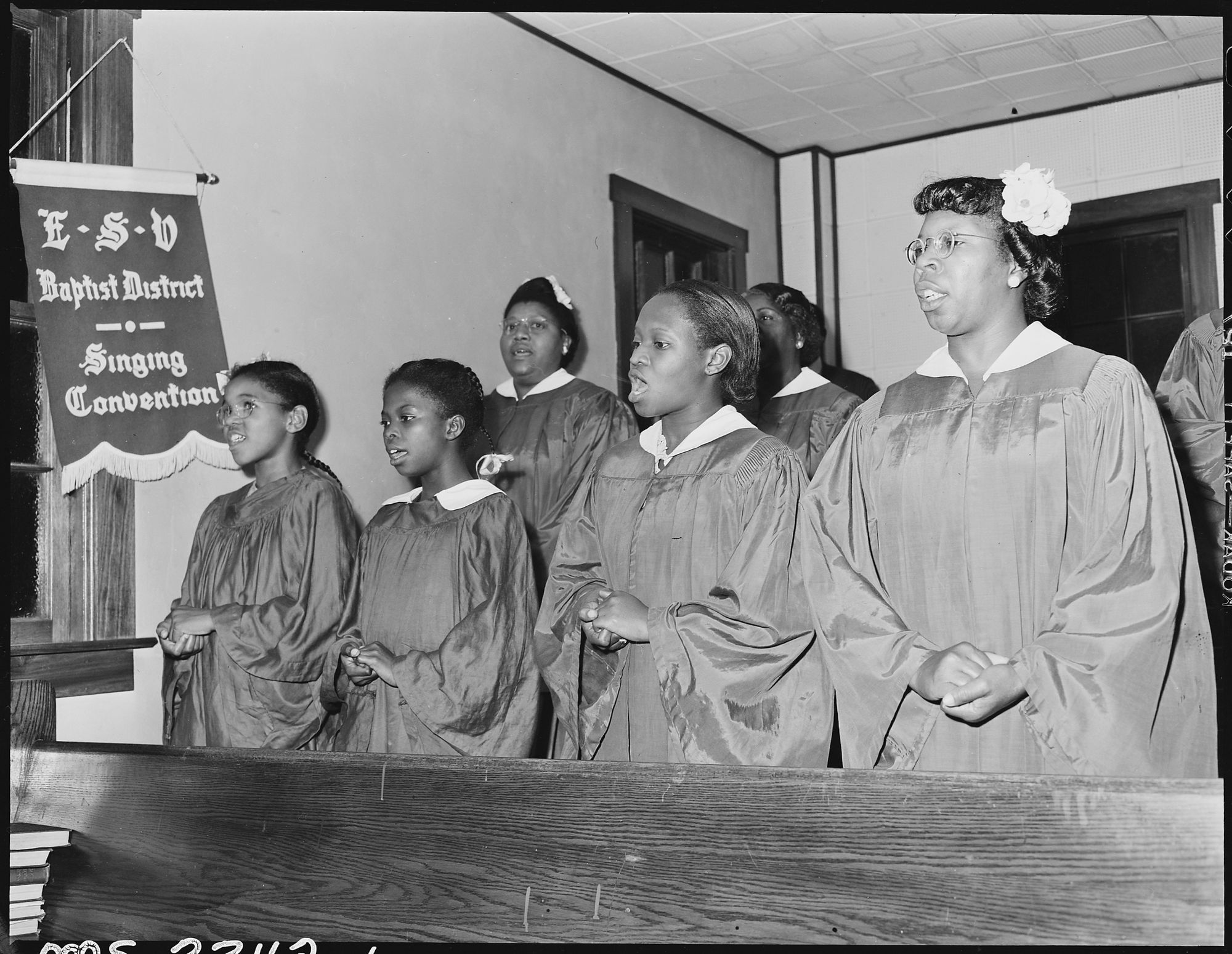
Racial UnityLearning about how it feelsMy mother took me to a black Baptist church and told me to go to Sunday school.
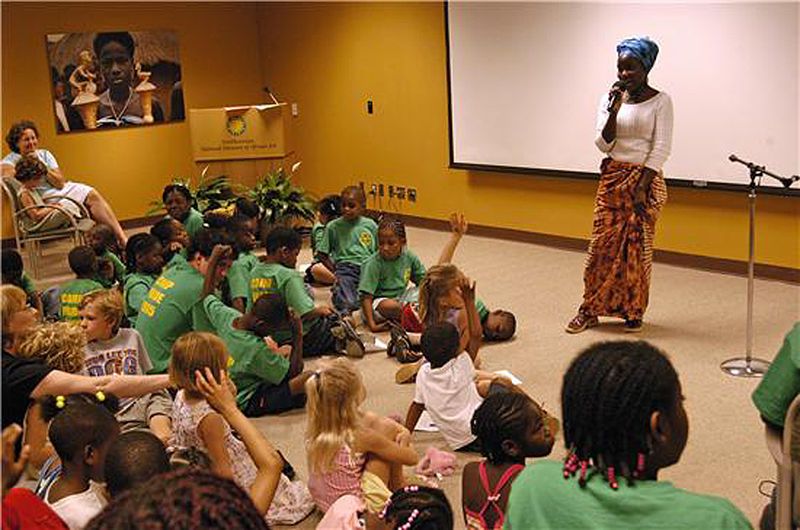
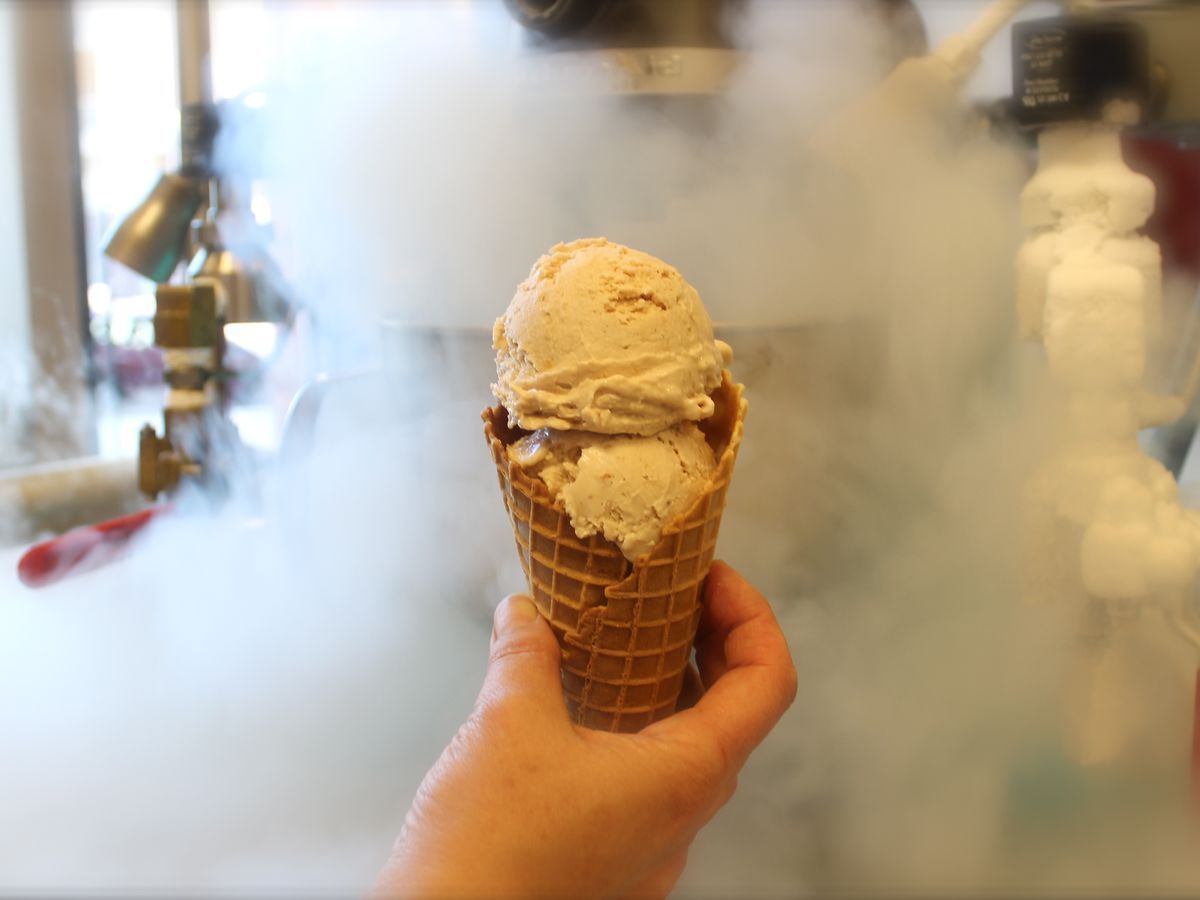
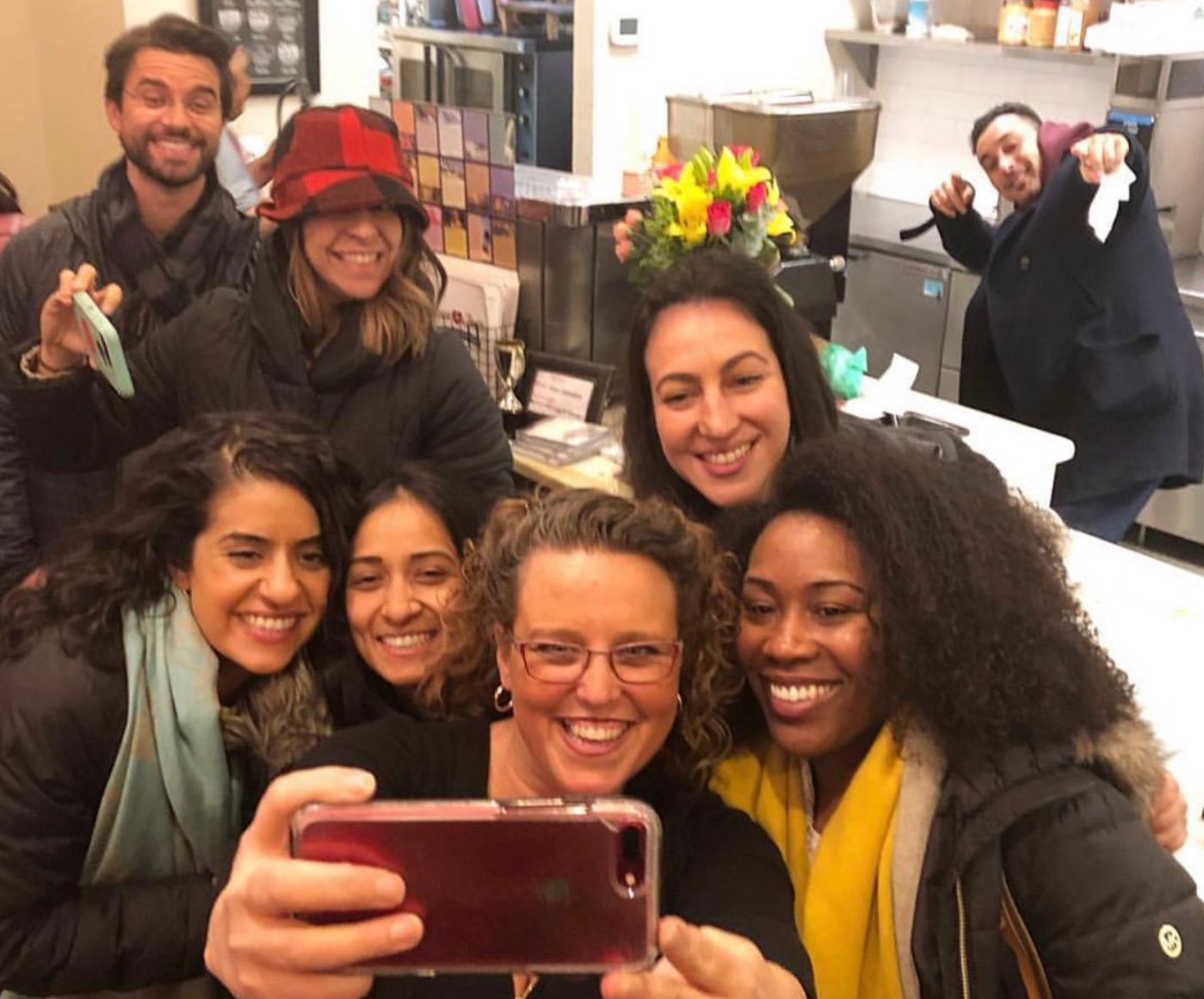
Baha'i Community BuildingLove and Faith Community CafeA white woman complained to me about the African-American kids we’d invited to have free ice cream.
Baha'i Community BuildingSincere friendships and boots on the groundWe must have sincere friendships if we want to include everyone in our community.
Baha'i CommunityFinding a new religion through white Baha’isAnthony Vance: My father was impressed by how he was treated by white Baha’is.
Baha'i FaithThe pupil of the eyeAnthony Vance: The Baha’i writings say that black people are “like the pupil of the eye” through which the light of the spirit shines.
Baha'i CommunityEmbracing diversity to overcome residential segregationAnthony Vance: 7 out of 10 white Americans have no close black friends, and 4 out of 10 African-Americans have no close white friends.
Baha'i CommunityYe shall know them by their fruitsMichael Penn: I started to cry, but I wasn’t sure why I was crying.
Baha'i CommunityA spiritual assemblyMichael Penn: I was moved by the sweetness, the humility, the frankness and the love that they had for me.
Baha'i Community BuildingBelieving in race unity demands workToday’s world influences our thinking in terms of race and class – even if we already believe in unity in diversity.
Baha'i CommunityStanding up for the wellbeing of allBaha’is are supposed to be champions of justice – to stand up for humanitarian issues.
Baha'i Community BuildingMeaningful conversations that address racismBaha’i activities in gentrifying Brooklyn help us to build friendships with people from different backgrounds.
Racial UnityFinding and eliminating prejudicesI had no idea of the reality of what it meant to be black in the United States of America.
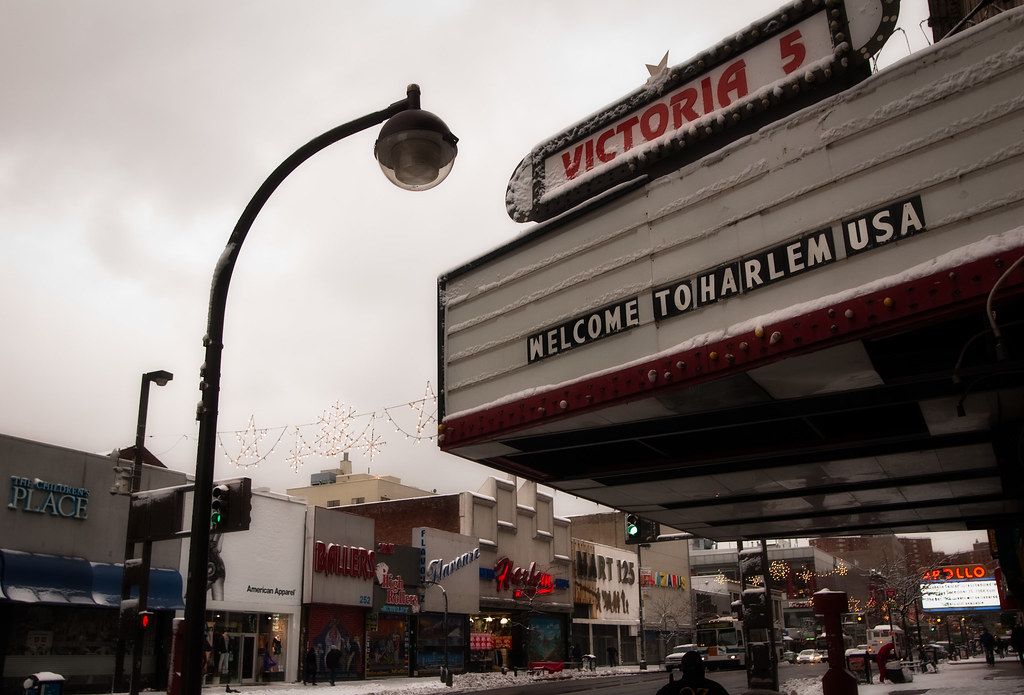
Baha'i CommunityLearning to pray from African-AmericansThe Harlem Baha’i teaching institute didn’t do anything until they had properly prayed up the room.
Racial IdentityPutting African-Americans in the centerWe had a race unity workshop where white people surrounded African-Americans and listened to their truth.
Racial UnityJust undo itWe got a grant from the Mayor’s Stop the Violence fund to run race unity discussions.
Baha'i CommunityA new Harlem generationI was horrified that so many Baha’is in Harlem were white – but then I saw they were reaching out to their neighborhoods of color.
Baha'i CommunityReforming education in 1960s HarlemHussein Ahdieh: Harlem Prep was the most rewarding and colorful period in our lives.
Baha'i CommunityBlack, white, Persian and everything elseTavoria Kellam: The Baha’i community was very diverse – it was miles ahead of anything I’d been exposed to.
Racism in AmericaSigning up to fix racismTavoria Kellam: Racism is a toxin in the air, it’s in the water, we all grew up with it.
Segregation in AmericaHow race and class intersectTavoria Kellam: Our Baha’i Center is in a neighborhood of a certain class, it doesn’t always attract people from uptown.
Racial IdentityDebunking color-blindnessTavoria Kellam: In the real world, the most salient thing about me is that I am black.
Baha'i Faith HistoryMr Gregory’s legacyMy grandmother was a mother of her church – and she was very happy for me to investigate the Baha’i faith.
Baha'i CommunityCreating the Black Men’s GatheringI didn’t see enough African-American men active in the Baha’i community and I began to ask why.
Baha'i Community BuildingOvercoming injustice through service not contentionThe Baha’i writings forbid conflict – we must oppose oppression by falling in love with people of other backgrounds.
Racial IdentityNo easy boxes to checkIf you lined my family up we’d look like a little United Nations.
Baha'i CommunityA hotbed of political activityMy sense of how to be a person and a Baha’i moved me to leave a legacy behind.
Baha'i CommunityAmerican Baha’is & heavenly trainingAbdu’l-Baha came to the United States at the turn of the 20th century – like a first responder.
Baha'i CommunityThe behaviors needed for changeThe Baha’i writings defined “implicit bias” 70 years before Harvard came up with the idea.
Racial UnitySpectrum racismPeople like to gang up on the worst offenders – but dealing with racism requires spiritual qualities.
Baha'i CommunityUnity in diversityNature understands it – there’s so much diversity just in plant life but it all works together.
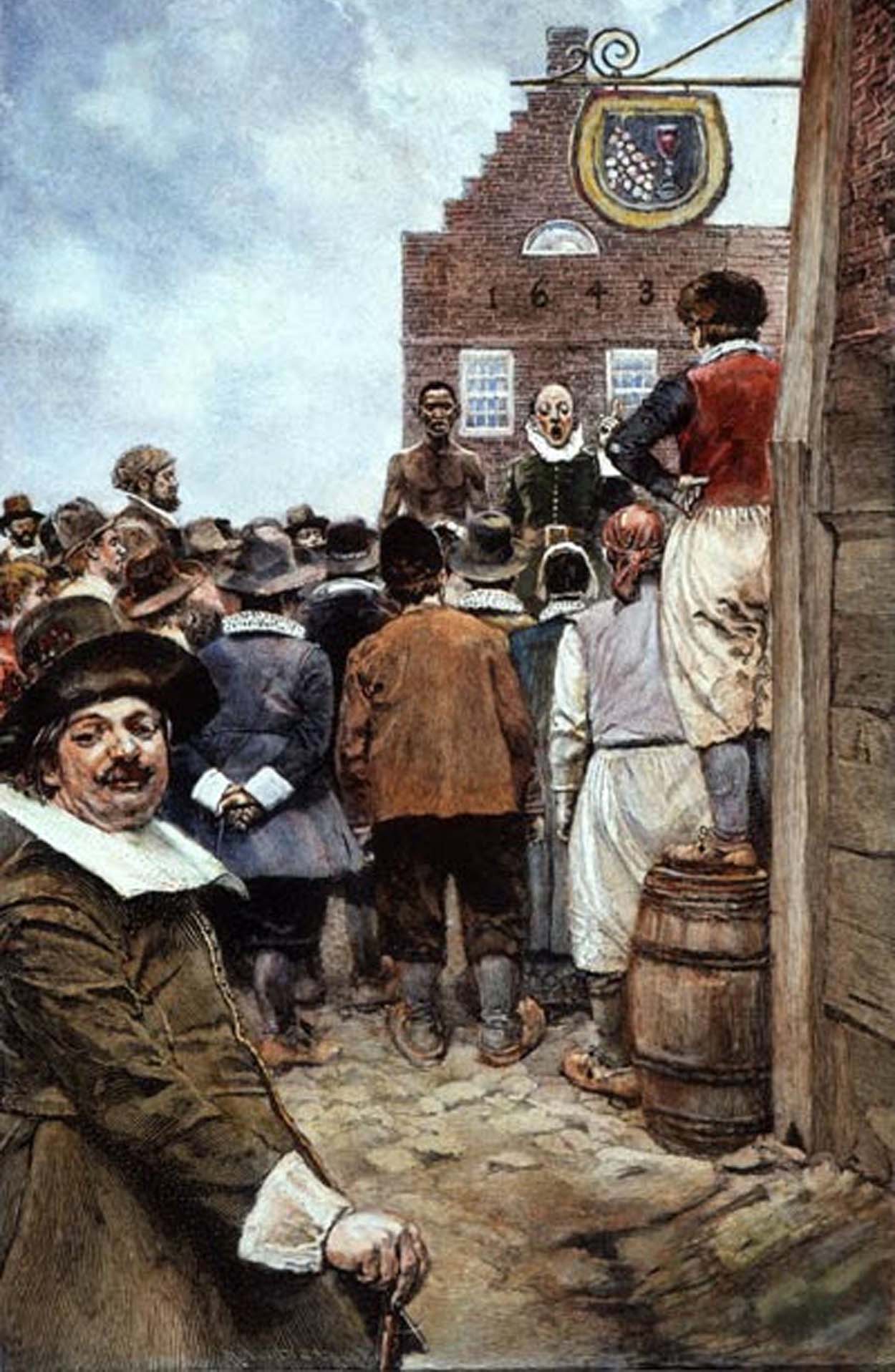
Slavery in AmericaFacing up to a legacy of entitlementI was impressed when Baha'i friends from European backgrounds weren’t afraid to acknowledge their own slave-owner ancestors.
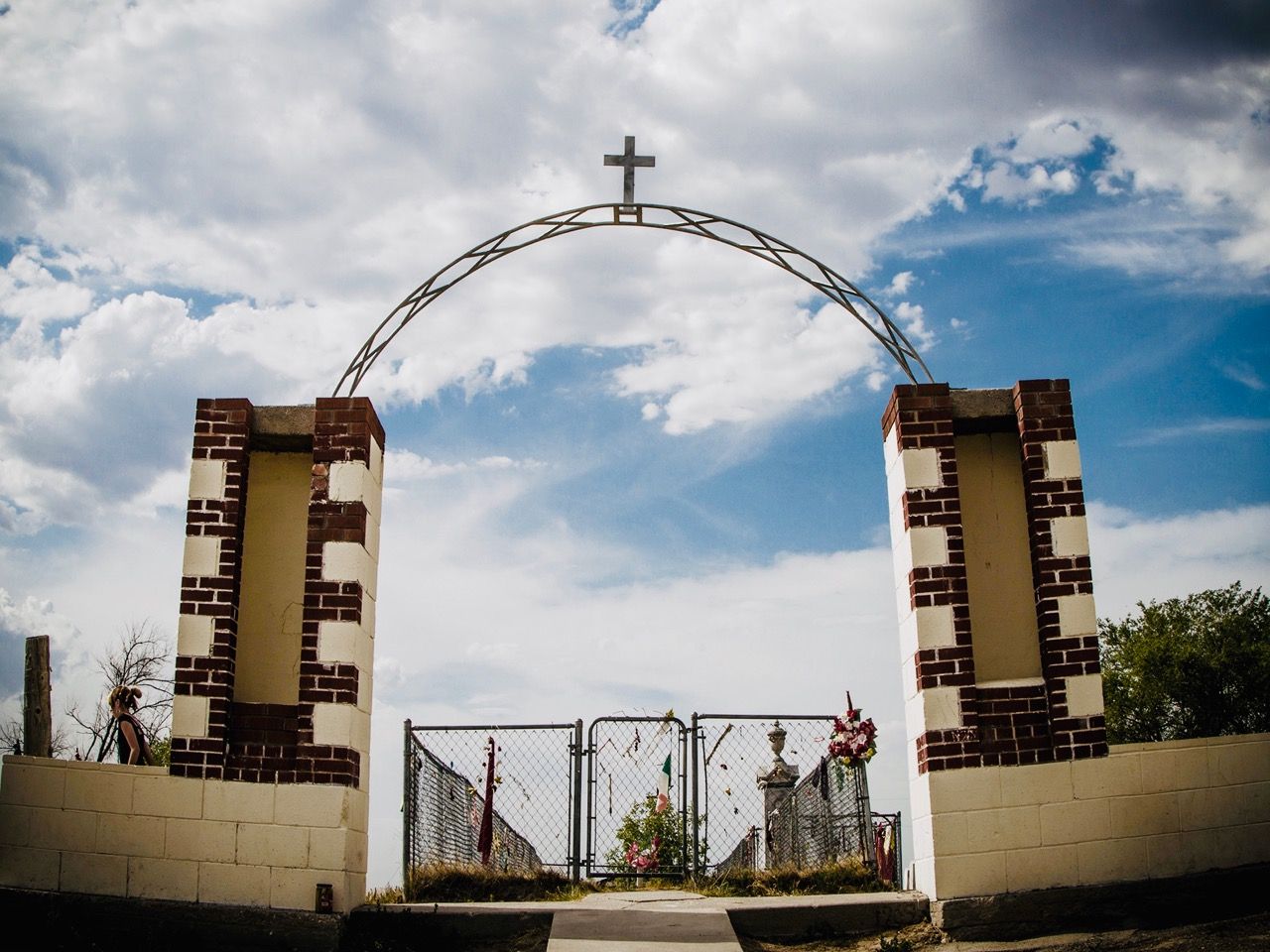
Baha'i Community BuildingA realization at Wounded KneeRace unity dances weren’t enough – I saw that we have to help communities deal with the problems they’re facing.
Racial UnityLearning then sharing the good newsBlack people were the most downtrodden in the world – I was all for anything that encouraged us.
Racial IdentityHome and school – two different worldsI lived in an African-American community and went to a white school – you lose your sense of identity.
Racial IdentityWhere are African-Americans going?The Baha’i writings compare us to the “pupil of the eye” – I find it amazing to share that with young people who are in despair.
Baha'i CommunityGrowing up as a white Baha'i in a segregated worldKen Bowers: Growing up, everybody in our Baha’i community, black and white, was my family.
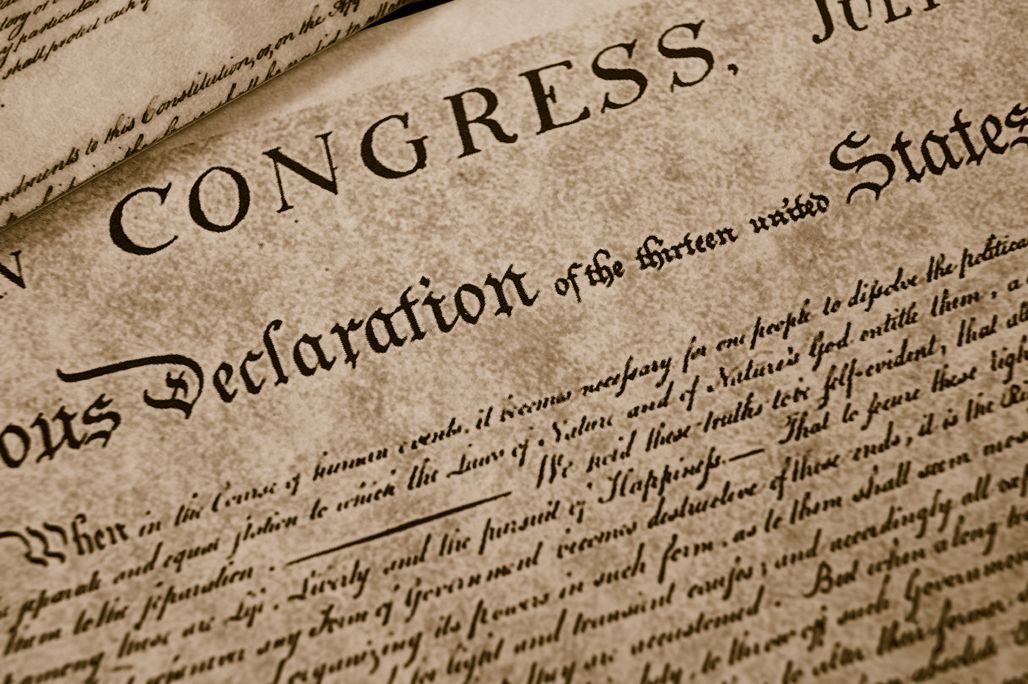
Racism in AmericaLearning how all races can come togetherKen Bowers: There are multitudes in this country who wish for America to realize the ideals of the Declaration of Independence.
Baha'i Community BuildingBuilding community to achieve race unityKen Bowers: We're challenged to think consciously about the implications of justice and of building a united community.
Racial UnityWhite people were suddenly in my lifeVan Gilmer: I mean you hear the n-word now. But that was a regular word growing up.
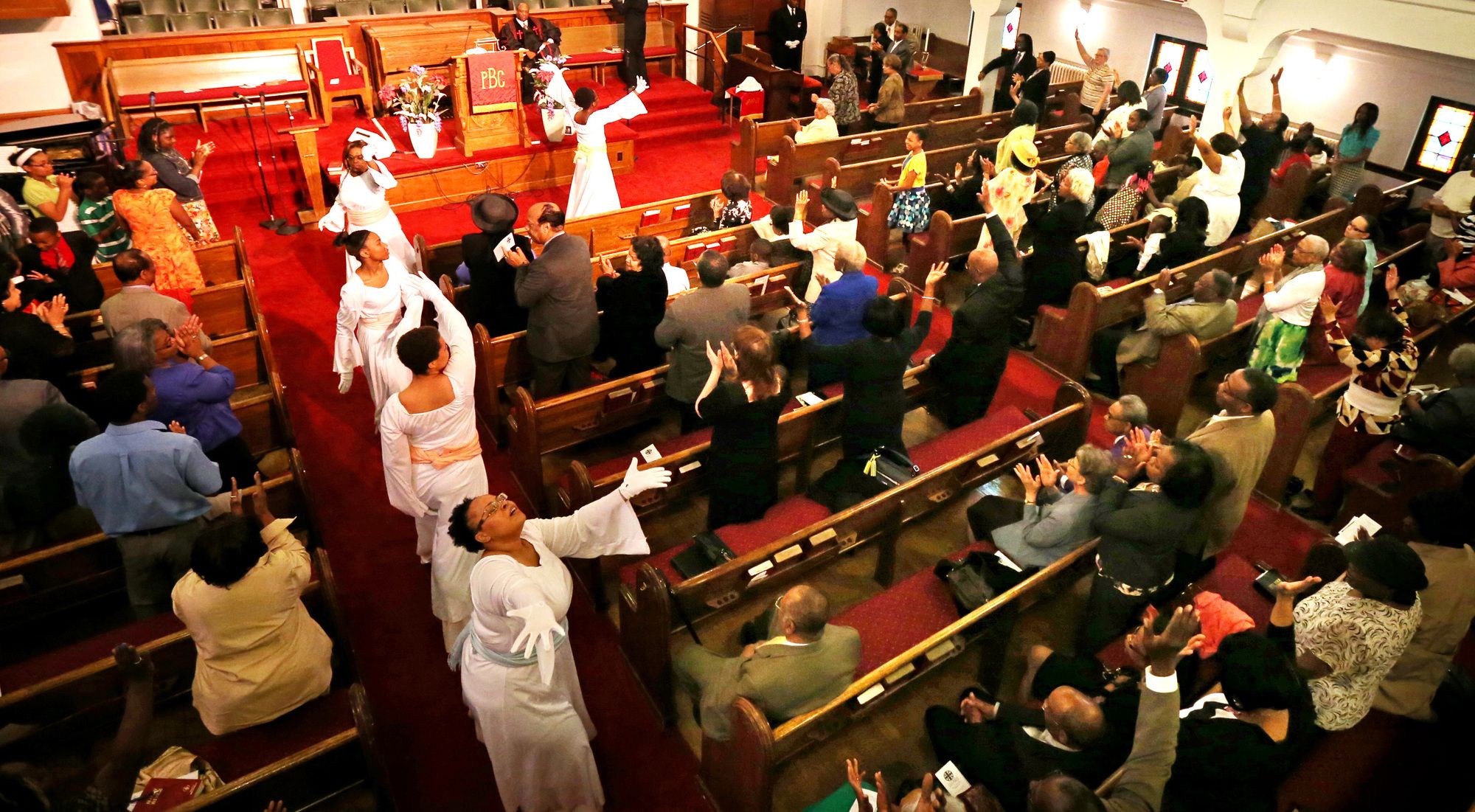
Baha'i CommunityLeaving homeIf you’ve been in a black church you know how dynamic it is – leaving it for an inter-racial community was traumatic.
Baha'i CommunityGrowing up as a Civil Rights warriorThe Baha’i community taught racial unity and they also lived it – which was the goal of the Civil Rights movement.
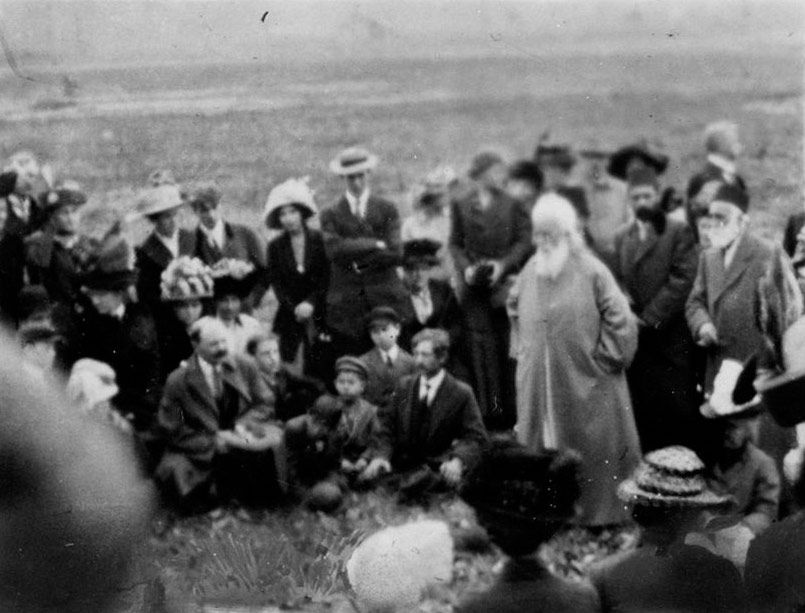
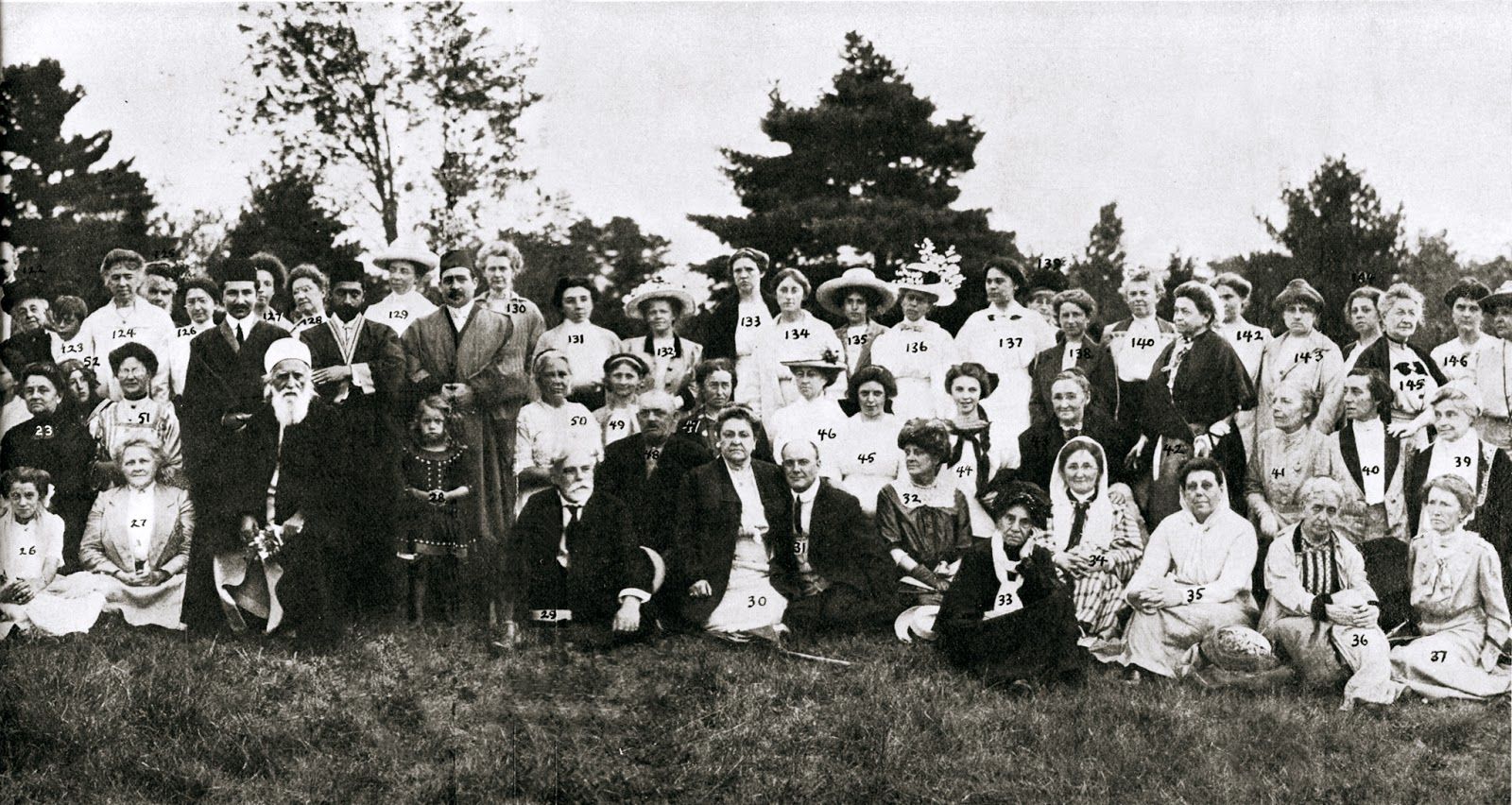
Baha'i CommunityAbdu’l-Baha in AmericaThe head of the Baha’i faith visited the United States in 1912 and described blacks and whites as sapphires and pearls.